Are you tired of battling stubborn acne and feeling self-conscious about your skin? If so, you're not alone. Acne is a common concern that affects millions of people at various stages of life, often leaving behind not just physical scars but emotional ones as well. Fortunately, there are effective solutions available that can help transform your complexion and restore your confidence. One such solution is chemical peelschemical peels, a powerful treatment option that has gained popularity in the realm of acne treatment.In this article, we will delve into the transformative power of chemical peels for treating acne, exploring how they work, the different types available, and the remarkable benefits they offer.
By understanding the science behind these treatments, you'll be better equipped to make informed decisions about your skin health. Imagine waking up each day with clearer, smoother skin—no more hiding behind layers of makeup or feeling embarrassed in social situations. With chemical peels, this dream can become a reality. Not only do these treatments target existing acne, but they also address the underlying issues that contribute to breakouts, such as excess oil production and clogged pores. Join us as we explore how chemical peels can be a game-changer in your journey toward radiant skin. Whether you're looking for a solution to persistent acne or simply seeking to rejuvenate your complexion, understanding the benefits of this treatment will empower you to take control of your skincare routine. Get ready to discover the remarkable effects of chemical peels and unlock the secret to clearer, healthier skin!In the realm of skincare, acne treatment with chemical peels has gained immense traction due to its effectiveness and transformative results.
As individuals grapple with the common struggles of acne, including stubborn breakouts, scarring, and the emotional toll that comes with it, the quest for effective solutions becomes paramount. Medical spas are increasingly offering a range of chemical peel treatments designed not only to rejuvenate skin but also to address the root causes of acne. There are three primary types of chemical peels: superficial, medium, and deep. Each type is tailored to target specific concerns associated with acne-prone skin and varies in terms of depth and intensity. Superficial peels, often made with ingredients like glycolic acid or salicylic acid, gently exfoliate the outer layer of the skin.
These mild formulations work by loosening dead skin cells and unclogging pores, effectively reducing the occurrence of acne breakouts. Many individuals report significant improvements in their skin texture and clarity after undergoing a series of superficial peels. Medium peels penetrate deeper into the skin and typically use stronger acids, such as trichloroacetic acid (TCA). They are particularly beneficial for those dealing with moderate acne scars and pigmentation issues. Medium peels work by removing damaged skin cells and promoting collagen production, which helps in improving skin tone and texture over time.
Patients often share success stories highlighting their experiences with medium peels, noting not only clearer skin but also enhanced confidence. Deep peels represent the most intensive option available for acne treatment. Utilizing potent ingredients like phenol, deep peels target deeper layers of the skin to address severe acne scarring and persistent skin issues. While they yield remarkable results, they require more downtime due to their invasive nature. Individuals who have undergone deep peels frequently report dramatic transformations in their skin, with many claiming that these treatments have been life-changing. Despite the impressive benefits of chemical peels, potential concerns regarding safety and side effects should not be overlooked.
It is crucial to emphasize that these treatments should always be administered by qualified professionals in a med spa setting. Experienced practitioners can assess individual skin types and conditions, tailoring the peel to maximize benefits while minimizing risks such as irritation or adverse reactions. When comparing chemical peels to other acne treatments, such as topical medications or laser therapy, several unique benefits emerge. Topical treatments may take longer to show results and can sometimes lead to dryness or irritation. In contrast, chemical peels provide immediate exfoliation and rejuvenation, making them an appealing option for those seeking quick results.
Laser therapy offers its own set of advantages but may not be suitable for all skin types. Chemical peels stand out as a versatile treatment that can be customized to accommodate various skin conditions. Post-treatment care is essential for achieving optimal outcomes after undergoing a chemical peel. Patients can expect some redness and peeling in the days following the treatment, which is a normal part of the recovery process. It is vital to follow post-care instructions provided by the practitioner, including avoiding sun exposure and using gentle skincare products to facilitate healing.
Many individuals find that adhering to these guidelines significantly enhances their results. The journey toward clear skin is often fraught with challenges, but chemical peels offer a powerful solution for those struggling with acne. By understanding the different types of chemical peels available, their specific effects on acne-prone skin, and how they compare to other treatments, individuals can make informed decisions about their skincare journeys. The testimonials from satisfied patients serve as a testament to the life-changing potential that these treatments hold.
Safety First: Addressing Common Concerns
When considering acne treatment with chemical peels, safety is a paramount concern for many individuals. It is crucial to understand that chemical peels should only be performed by licensed professionals who have undergone extensive training in skincare treatments.This ensures that the procedure is conducted safely and effectively, minimizing potential risks. While chemical peels can yield impressive results, there are inherent risk factors associated with the treatment. Individuals with sensitive skin, those who have a history of allergic reactions, or those who are currently using specific medications such as isotretinoin should approach chemical peels with caution. It is essential to discuss your full medical history with your skincare professional to identify any contraindications that may affect your suitability for this treatment. Licensed practitioners will perform a thorough evaluation of your skin type and condition before recommending a chemical peel. They will also explain the different types of peels available—superficial, medium, and deep—each with varying levels of intensity and recovery times.
By adhering to these professional standards, you can significantly reduce the chances of adverse effects while maximizing the benefits of chemical peels for acne treatment.Ultimately, when performed correctly, chemical peels can be a safe and effective option for those struggling with acne and seeking rejuvenated skin. Trusting your treatment to qualified experts not only enhances safety but also ensures that you achieve the transformative results you desire.
Comparing Chemical Peels to Other Acne Treatments
When it comes to addressing acne, there are numerous treatment options available, each with its own set of advantages and limitations. Among these, chemical peels have emerged as a popular choice, especially in medical spas, due to their effectiveness in rejuvenating the skin and tackling acne issues. One of the most common alternatives to chemical peels are topical treatments, which include over-the-counter products containing ingredients like benzoyl peroxide, salicylic acid, and retinoids. While these topical solutions can be effective for mild to moderate acne, they often require consistent application over an extended period to see significant results.Additionally, some individuals may experience irritation or dryness as a side effect of prolonged use. In contrast, chemical peels offer a more intensive approach. These treatments involve the application of a chemical solution that exfoliates the outer layers of skin, promoting cell turnover and revealing fresher, clearer skin beneath. This can lead to faster results compared to topical treatments, making chemical peels an attractive option for those seeking immediate improvement in their skin condition. Another popular option is laser therapy, which utilizes focused light energy to target acne and reduce inflammation. While laser treatments can be effective for certain types of acne and may offer long-lasting results, they tend to be more expensive and may require multiple sessions to achieve desired outcomes.
Furthermore, some individuals may not be suitable candidates for laser therapy due to skin type or specific medical conditions. In summary, while both topical treatments and laser therapy have their merits, chemical peels stand out as a powerful alternative for those struggling with acne. Their ability to deliver rapid results and enhance skin texture makes them an appealing choice for individuals looking to transform their skin effectively.
The Chemical Peel Process: What to Expect
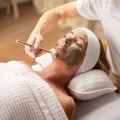
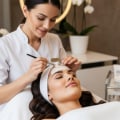
Receiving a chemical peel at a medical spa is an exciting step towards achieving clearer skin. Understanding the process can help alleviate any anxiety you may have and set realistic expectations for the treatment. The journey begins with a consultation. During this initial meeting, a licensed professional will assess your skin type, discuss your acne history, and determine if a chemical peel is suitable for you.This is also an opportunity to ask questions about the procedure and express any concerns. Once you're cleared for treatment, the next step involves preparing your skin. This may include using specific skincare products recommended by your specialist to enhance the effectiveness of the peel. On the day of your appointment, the treatment area will be thoroughly cleansed to remove any makeup or impurities. During the actual chemical peel, the practitioner will apply a solution to your skin that typically contains acids such as glycolic or salicylic acid. The application process usually takes around 15 to 30 minutes, depending on the strength of the peel and the size of the treatment area.
You may feel a mild tingling or burning sensation, which is normal and typically subsides quickly. After the peel is applied, your skin will be monitored for any immediate reactions. Once the procedure is complete, your practitioner will provide you with aftercare instructions to ensure optimal healing and results. This may include avoiding sun exposure, using gentle skincare products, and moisturizing regularly. Overall, the entire process from consultation to aftercare can take a few hours, but many find it well worth the time for the transformative benefits it brings to their skin. With proper care post-treatment, you can look forward to seeing clearer, rejuvenated skin in the days and weeks following your chemical peel.
Understanding Chemical Peels: Types and Benefits
When it comes to acne treatment, one of the most effective solutions available at medical spas is the use of chemical peels.These treatments involve applying a chemical solution to the skin, which exfoliates the top layers and promotes cell turnover. There are several types of chemical peels, each tailored to specific skin types and conditions.
1.Superficial Peels:
These are the mildest type of chemical peel and use alpha hydroxy acids (AHAs) or beta hydroxy acids (BHAs) to gently exfoliate the outermost layer of skin. They are ideal for individuals with mild acne or those looking to improve skin texture and tone. Superficial peels require little to no downtime, making them a popular choice for busy individuals.2.Medium Peels:
Utilizing trichloroacetic acid (TCA), medium peels penetrate deeper into the skin than superficial peels.They effectively treat moderate acne, reduce hyperpigmentation, and improve overall skin appearance. While medium peels can result in some redness and peeling, the recovery time is typically about a week.
3.Deep Peels:
These are the most intensive chemical peels, often using phenol or high concentrations of TCA. Deep peels provide significant results for severe acne, deep wrinkles, and severe sun damage. However, they also require a longer recovery period, often several weeks, making them suitable for patients who can take time off from their regular activities. The benefits of chemical peels for acne treatment are numerous.They not only help clear existing breakouts but also prevent future acne by unclogging pores and reducing excess oil production. Additionally, chemical peels can enhance skin texture, reduce scarring, and promote a more even skin tone. Ultimately, the best type of chemical peel for an individual depends on their specific skin condition, goals, and tolerance for downtime. Consulting with a qualified skincare professional at a med spa can help determine the most appropriate treatment plan for achieving clear, rejuvenated skin. In conclusion, chemical peels have emerged as a highly effective solution for treating acne and enhancing overall skin health. By addressing various levels of skin issues, these treatments provide transformative results that many individuals seek in their journey toward clearer skin. We encourage readers to consider consulting with a reputable med spa to explore their options for personalized treatment plans tailored to their specific skin needs.
A professional assessment is vital in determining the most suitable type of peel and ensuring optimal results. Ultimately, the guidance of experienced practitioners can significantly enhance the safety and satisfaction of your chemical peel experience, paving the way to rejuvenated and radiant skin.