Are you struggling with redness and peeling skin after a chemical peel or due to other skin conditions? You are not alone. Many individuals experience these common yet distressing symptoms, which can be both uncomfortable and unsightly. The good news is that there are effective strategies to help manage and alleviate these issues, allowing you to regain your confidence and achieve a radiant complexion. In this article, we will explore a variety of practical tips and techniques for managing redness and peeling skin, ensuring that you have the knowledge to care for your skin effectively. From understanding the underlying causes of these symptoms to implementing the right skincare routines and remedies, we will provide you with a comprehensive guide to post-peel care recommendations.
Whether you have recently undergone a chemical peel or are dealing with chronic skin conditions, our expert insights will empower you to take control of your skin health. Join us as we delve into the world of skincare solutions that not only soothe irritation but also promote healing and rejuvenation. With the right approach, you can transform your skincare journey and embrace a smoother, healthier appearance. Let’s get started on the path to beautiful skin!Redness and peeling skin are common effects experienced after chemical peels, and understanding their causes is essential for effective management. These symptoms are a natural part of the skin's healing process, as the chemical peel exfoliates the outer layers of skin, revealing fresh, new skin underneath.
The redness typically results from increased blood flow to the area as the body works to repair itself, while peeling occurs as dead skin cells shed away. This process can vary in intensity depending on the type of peel used and individual skin sensitivity, but it is important to recognize that both redness and peeling are temporary and usually indicate that the treatment is working. Following post-peel care instructions provided by med spas is crucial for minimizing discomfort and promoting optimal healing. These instructions often include guidelines on how to cleanse the skin gently, when to apply moisturizers, and which products to avoid. Neglecting these recommendations can lead to prolonged irritation or complications, so adhering to the advice of skincare professionals is paramount. At med spas, various treatments are available to help alleviate the symptoms of redness and peeling skin.
Soothing serums infused with ingredients like hyaluronic acid can hydrate and calm inflamed skin. This powerful humectant draws moisture from the environment into the skin, helping to restore hydration levels that may be diminished post-peel. Additionally, hydrating masks designed specifically for post-peel care can provide immediate relief by cooling the skin and delivering essential nutrients to support healing. Another effective treatment option offered at many med spas is LED therapy. This non-invasive procedure uses different wavelengths of light to penetrate the skin, promoting healing and reducing inflammation.
Red light therapy, in particular, is known for its ability to stimulate collagen production and enhance skin repair mechanisms, making it an excellent adjunct treatment following a chemical peel. It’s important to address potential concerns or misconceptions about redness and peeling following a chemical peel. Many individuals worry that these symptoms are indicative of an adverse reaction or that they will persist indefinitely. However, it is crucial to reassure readers that redness and peeling are normal parts of the recovery process when managed properly. With appropriate care and professional guidance from med spa specialists, these symptoms will typically resolve within a few days to a week. Testimonials from individuals who have successfully navigated post-peel care provide further insight into the effectiveness of these strategies.
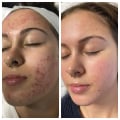
For instance, one client shared that after her chemical peel, she experienced significant redness but followed her med spa's advice diligently by applying a recommended soothing serum twice daily. Within just a few days, she noticed a remarkable improvement in her skin’s appearance and felt reassured knowing she was on the right track. Another individual recounted their experience with LED therapy at their med spa after experiencing peeling skin post-peel. They noted that after a few sessions of LED treatment combined with their daily skincare routine, their skin not only healed faster but also appeared more radiant than before. Such anecdotes highlight the importance of seeking professional help during the recovery phase and show how effective post-peel care can significantly improve outcomes.
Understanding Redness and Peeling After Chemical Peels
Redness and peeling skin are common reactions following chemical peels, a cosmetic treatment designed to improve the appearance of the skin.These symptoms arise primarily due to the exfoliation process initiated by the peel, which removes the outer layers of damaged skin. This process stimulates the body's natural healing mechanisms, leading to inflammation and subsequent peeling as new skin cells emerge. The redness is typically a sign of increased blood flow to the area, indicating that the skin is undergoing a repair process. This inflammation is essential for healing but can be uncomfortable for patients. It is crucial to understand that while these symptoms can be concerning, they are generally a normal part of the skin rejuvenationskin rejuvenation process. During this healing phase, the skin may also exhibit dryness and flakiness as the old skin cells shed.
Managing these symptoms effectively is vital, as it can significantly influence the overall recovery experience and the final results of the chemical peel. Proper post-peel care not only alleviates discomfort but also promotes optimal healing, leading to healthier and rejuvenated skin.
When to Seek Professional Help
While many individuals experience some level of redness and peeling skin following chemical peels, it is essential to recognize when these symptoms may warrant professional attention. Understanding the signs that indicate a need for consultation can significantly enhance your recovery experience and ensure that any underlying issues are addressed promptly. If you notice that the redness persists beyond the expected timeframe—typically more than a week—or if it intensifies rather than improves, it may be time to seek help from a skincare professional. Persistent redness can be a sign of irritation or an adverse reaction that requires expert evaluation. Additionally, if the peeling is accompanied by severe discomfort, pain, or signs of infection such as increased swelling, oozing, or a foul odor, consulting a professional immediately is crucial.These symptoms may indicate complications that need to be managed to avoid further damage to your skin. Another indicator for seeking professional help is if you have underlying skin conditions that may complicate healing, such as eczema or rosacea. In these cases, tailored advice from a qualified expert can provide necessary adjustments to your post-peel care routine. Finally, if you're unsure about the normal progression of your recovery or have concerns about the products you are using during this period, don’t hesitate to reach out for guidance. Professionals at med spas and dermatology clinics are equipped with the knowledge to help you navigate your recovery effectively.
Daily Skincare Routine Post-Peel
After undergoing a chemical peel, maintaining a daily skincare routine is essential for promoting healing and minimizing discomfort. The skin may be sensitive, so it is vital to choose products that are gentle and nourishing. First and foremost, always start your day with a gentle cleanser.Look for a sulfate-free formula that cleanses without stripping the skin of its natural oils. This will help remove any impurities while ensuring the skin remains hydrated. Following cleansing, apply a hydrating toner or essence. Products containing soothing ingredients like aloe vera or chamomile can help calm redness and irritation, providing an additional layer of moisture. Next, incorporate a moisturizer that is rich in hydrating ingredients such as hyaluronic acid, glycerin, or ceramides. These components help to restore the skin barrier and keep the skin plump and soft. Sun protection is crucial post-peel.
Always apply a broad-spectrum sunscreen with an SPF of 30 or higher every morning, even on cloudy days. Chemical peels can make the skin more susceptible to sun damage, so diligent sun protection is necessary. Additionally, consider using a repair serum that contains antioxidants like vitamin C or peptides. These ingredients can aid in skin recovery and improve overall texture. Avoid using any harsh exfoliants or active ingredients like retinoids in the immediate days following your peel. Instead, focus on nourishing and protecting the skin until it fully heals. Finally, listen to your skin’s needs.
If it feels tight or uncomfortable, increase your hydration levels or consult with your skincare professional for personalized recommendations.
Top Treatments at Med Spas for Managing Symptoms
After undergoing a chemical peel, it is common to experience redness and peeling skin. Fortunately, med spas offer a range of treatments specifically designed to alleviate these symptoms and promote healing. Here are some of the most effective options available:Hydrating Facials: Many med spas provide hydrating facials that utilize soothing ingredients to replenish moisture and calm the skin. These treatments often include ingredients like hyaluronic acid, aloe vera, and chamomile, which help to reduce redness and irritation.LED Light Therapy:
This non-invasive treatment uses various wavelengths of light to target inflammation and accelerate healing.Red light therapy is particularly effective in reducing redness and promoting skin repair post-peel.
Cooling Masks:
Med spas often offer specialized cooling masks that can be applied after a chemical peel. These masks are formulated with calming agents that help soothe peeling skin and diminish any discomfort associated with the procedure.Topical Treatments:
Many med spas provide medical-grade topical treatments that contain ingredients like niacinamide, peptides, or ceramides. These products can significantly improve the skin's barrier function, reduce redness, and promote healing.Microneedling:
Though it may sound counterintuitive after a peel, microneedling can be beneficial in enhancing product absorption and stimulating collagen production. However, this treatment should be approached cautiously and only under professional guidance.Post-Peel Care Packages:
Some med spas offer comprehensive post-peel care packages that include a combination of treatments tailored to individual needs.These packages often consist of soothing facials, topical treatments, and follow-up consultations to ensure optimal recovery. Choosing the right treatments at a med spa is essential for managing symptoms like redness and peeling skin. Consulting with a skincare professional can help determine the best approach for your unique situation, ensuring a smoother recovery process. In conclusion, managing redness and peeling skin after chemical peels is vital for a smooth recovery. Throughout this article, we explored the significance of understanding the causes of these symptoms and discussed various treatments available at med spas that can alleviate discomfort. Additionally, we outlined an effective daily skincare routine tailored for post-peel care to promote healing and restore the skin's natural balance. It is crucial to remember that seeking professional help from med spas can provide personalized solutions that enhance recovery outcomes.
Their expertise in skin rejuvenation ensures that your post-peel experience is as comfortable and effective as possible. Don’t hesitate to explore tailored skincare solutions that will support your journey to radiant skin.