Are you tired of battling breakouts and searching for the perfect skincare routines for acne-prone skin? You’re not alone. Acne is one of the most common skin conditions, affecting millions of people worldwide, from teenagers to adults. The quest for clear skin can often feel overwhelming, especially with the myriad of products and advice available in today's beauty landscape. In this article, we will delve into effective skincare routines for acne-prone skin, designed to help you regain your confidence and achieve a radiant complexion. Whether you're dealing with persistent blemishes or occasional flare-ups, understanding your skin's unique needs is essential in crafting a routine that not only addresses current issues but also prevents future breakouts. From cleansing techniques to the importance of moisturizing and sun protection, we’ll cover every aspect you need to consider.
You’ll discover how to select the right ingredients that work synergistically to combat acne while nourishing your skin. Say goodbye to trial and error as we provide you with a structured approach to skincare that is both practical and effective. Join us on this journey to uncover the secrets of skincare for acne-prone individuals. With knowledge and the right routine, clear skin is within your reach!Acne is a prevalent skin condition that affects millions of individuals around the world. Its impact extends beyond the physical symptoms, often affecting self-esteem and mental well-being.
For those with acne-prone skin, a tailored skincare routine is essential to manage breakouts and promote healthy skin. An effective routine should encompass several fundamental components: cleansing, exfoliating, moisturizing, and treating specific issues. The first step in any skincare routine is cleansing. A gentle cleanser formulated for acne-prone skin can help remove excess oil, dirt, and impurities without stripping the skin of its natural moisture. Look for products that contain ingredients such as salicylic acid, which can penetrate pores and help prevent acne by exfoliating the inside of the pore.
Cleansing should be done twice daily to maintain a clear complexion. Exfoliation is another critical aspect of a successful routine. Regular exfoliation helps to remove dead skin cells that can clog pores and lead to breakouts. There are two main types of exfoliants: physical and chemical. While physical exfoliants can be harsh on sensitive skin, chemical exfoliants like glycolic acid or salicylic acid gently dissolve dead skin cells and help to reveal brighter, smoother skin.
It is recommended to exfoliate 1-3 times per week based on individual skin tolerance. Moisturizing is often overlooked by those with acne-prone skin, but it plays a vital role in maintaining skin health. Choosing a lightweight, non-comedogenic moisturizer is crucial to avoid clogging pores while still providing hydration. Ingredients like hyaluronic acid can hydrate the skin without adding excess oil, making it an excellent choice for those with oily or combination skin. Treating specific issues is where targeted treatments come into play. For many individuals with acne-prone skin, products containing benzoyl peroxide or retinoids can be highly effective.
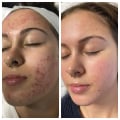
Benzoyl peroxide works by killing acne-causing bacteria and reducing inflammation, while retinoids promote cell turnover and prevent clogged pores. These treatments should be introduced gradually into a skincare routine to minimize irritation. While at-home care is essential, many individuals find that professional treatments available at med spas can significantly enhance their skincare results. Treatments such as chemical peels, laser therapy, and microdermabrasion have gained popularity due to their effectiveness in treating acne and improving skin texture. Chemical peels involve applying a solution that exfoliates the top layer of skin, promoting new cell growth and reducing the appearance of acne scars. Studies have shown that regular chemical peels can lead to significant improvements in the clarity and texture of the skin.
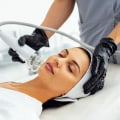
Laser therapy targets acne-causing bacteria and reduces inflammation while also promoting collagen production, which can help diminish the appearance of scars over time. Microdermabrasion is another professional treatment that mechanically exfoliates the skin, removing dead cells and promoting cellular turnover. This treatment can be particularly effective for individuals looking to improve their skin’s overall appearance without downtime. Despite their benefits, there are common misconceptions about these treatments. Some may believe that they are only suitable for severe cases of acne or that they can cause significant side effects. In reality, when performed by trained professionals, these treatments are safe and can be tailored to suit individual skin types and concerns. Consulting with a professional is crucial when considering any skincare treatment, particularly for those with acne-prone skin.
A skincare expert can assess your specific needs, recommend appropriate treatments, and create a customized plan that combines at-home care with professional services. It’s also important to recognize that lifestyle factors play a significant role in acne management. Diets high in sugar and processed foods have been linked to increased acne severity, while stress can exacerbate breakouts through hormonal fluctuations. Incorporating a balanced diet rich in whole foods, staying hydrated, and managing stress through mindfulness practices can complement your skincare routine. In summary, an effective skincare routine for acne-prone skin involves careful cleansing, exfoliating, moisturizing, and targeted treatments using proven ingredients like salicylic acid, benzoyl peroxide, and retinoids. Professional treatments from med spas can further enhance results and address specific concerns.
Consulting with professionals ensures that your approach to skincare is holistic, safe, and tailored to your unique needs.
Safety and Efficacy of Treatments
When considering treatments for acne-prone skin, it is crucial to understand the safety measures implemented by med spas to ensure client well-being. Med spas are typically staffed by licensed professionals, including dermatologists and trained aestheticians, who adhere to strict health and safety regulations. This includes conducting thorough consultations prior to any treatment, where the professional assesses skin types, medical histories, and any potential contraindications. Additionally, all equipment used in treatments is regularly sanitized and maintained to prevent any risk of infection or adverse reactions. The efficacy of treatments offered at med spas is backed by clinical research and advancements in dermatological science.Procedures such as chemical peels, laser therapy, and microdermabrasion have shown significant success in reducing acne lesions and improving overall skin texture. For instance, chemical peels utilize specific acids to exfoliate the skin, helping to unclog pores and diminish the appearance of acne scars. Laser therapies target bacteria and inflammation, promoting clearer skin with minimal downtime. Moreover, med spas often provide personalized treatment plans that may combine different modalities tailored to the individual's specific needs. This holistic approach not only enhances the effectiveness of the treatment but also addresses various aspects of acne management.
Clients can feel confident knowing that these treatments are designed with their unique skin concerns in mind, aiming for optimal results while prioritizing safety.
Professional Treatments at Med Spas
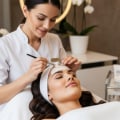
When it comes to managing acne-prone skin, professional treatments at med spas can play a crucial role in enhancing skin appearance and addressing persistent acne issues. These treatments often complement at-home skincare routines, providing targeted solutions that may not be achievable through over-the-counter products alone. One popular treatment is chemical peels, which utilize various acids to exfoliate the skin, unclog pores, and reduce inflammation. These peels can effectively treat active breakouts and improve overall skin texture.Microdermabrasion
is another effective option. This non-invasive procedure involves gently exfoliating the outer layer of skin, promoting cell turnover and revealing healthier skin underneath.It can help reduce the appearance of acne scars and improve skin tone.
Laser therapy
has gained popularity for its ability to target acne at a deeper level. Treatments like blue light therapy specifically target acne-causing bacteria, while fractional laser treatments can help reduce scarring and improve skin texture. For those with more severe cases of acne, injectable treatments, such as corticosteroids, can be administered to reduce inflammation and speed up healing. Additionally, some med spas offer microneedling, a procedure that stimulates collagen production and can significantly improve the appearance of acne scars. It's important to note that while these professional treatments can be highly effective, they should be conducted by certified professionals who assess individual skin types and conditions to ensure safety and effectiveness.Home Remedies for Acne Prevention
Acne is a common skin condition that can affect people of all ages, and its prevalence often leads to feelings of self-consciousness and diminished self-esteem. While professional treatments can be effective, many individuals seek home remedies for acne prevention that can be easily integrated into their daily routines.These natural solutions not only help in preventing outbreaks but also promote healthier skin overall. One of the most popular home remedies is the application of tea tree oil. Known for its antibacterial properties, tea tree oil can help reduce inflammation and kill acne-causing bacteria. To use it effectively, dilute a few drops with a carrier oil, such as coconut or jojoba oil, and apply it directly to the affected areas. Another effective remedy is using aloe vera. This soothing plant contains anti-inflammatory properties that can calm irritated skin and accelerate healing.
Applying pure aloe vera gel to the skin after cleansing can help keep acne at bay while providing hydration. Additionally, incorporating a honey mask into your skincare routine can be beneficial. Honey is a natural humectant and has antimicrobial properties. Applying a thin layer of raw honey to the face for 10-15 minutes before rinsing can help prevent acne by keeping the skin moisturized without clogging pores. Moreover, exfoliating with apple cider vinegar is another home remedy that can help maintain clear skin. The acidity of apple cider vinegar helps balance the skin's pH levels and can effectively remove dead skin cells.
Mix equal parts apple cider vinegar and water, apply to the face with a cotton ball, and rinse after a few minutes. Lastly, maintaining a balanced diet rich in omega-3 fatty acids, antioxidants, and vitamins can support skin health from within. Foods such as fatty fish, nuts, fruits, and vegetables should be included to help reduce inflammation and promote clearer skin. Integrating these home remedies for acne prevention into your daily skincare routine can provide significant benefits while complementing any professional treatments you may pursue at med spas. Remember to always perform a patch test before trying new remedies to ensure they are compatible with your skin type.
Daily Skincare Routine Essentials
A well-structured daily skincare routine is crucial for managing acne-prone skin. By following these essential steps, individuals can help prevent breakouts, reduce inflammation, and promote overall skin health.1.Cleanser:
Start with a gentle, non-comedogenic cleanser that effectively removes dirt, oil, and makeup without stripping the skin's natural moisture.Look for products containing salicylic acid or benzoyl peroxide, as they are known to help combat acne. Examples include CeraVe Foaming Facial Cleanser or Neutrogena Oil-Free Acne Wash.
2.Exfoliation:
Incorporate exfoliation into your routine 2-3 times a week. Opt for chemical exfoliants like AHAs (alpha hydroxy acids) or BHAs (beta hydroxy acids) that help to unclog pores and promote cell turnover. Products like The Ordinary Glycolic Acid 7% Toning Solution can be beneficial.3.Toner:
After cleansing, apply a toner designed for acne-prone skin to help balance pH levels and prepare the skin for subsequent products.Look for toners with soothing ingredients such as witch hazel or tea tree oil, like Thayers Witch Hazel Toner.
4.Treatment:
Apply targeted treatments such as spot treatments containing benzoyl peroxide or sulfur for active breakouts. For overall management, consider using a serum with niacinamide or salicylic acid, such as Paula's Choice 2% BHA Liquid Exfoliant.5.Moisturizer:
Even oily and acne-prone skin needs hydration. Choose a lightweight, oil-free moisturizer that won’t clog pores. Look for formulations with hyaluronic acid or glycerin, like Neutrogena Hydro Boost Water Gel.6.Sunscreen:
Daily sun protection is vital, especially when using acne treatments that can increase sensitivity to the sun.Select a broad-spectrum sunscreen with at least SPF 30 that is labeled as non-comedogenic. A good choice is EltaMD UV Clear Broad-Spectrum SPF 46.By following these steps consistently, individuals with acne-prone skin can create an effective skincare routine that addresses their specific needs while minimizing the risk of flare-ups. In conclusion, achieving clear skin requires a comprehensive approach that addresses the unique needs of acne-prone skin. Throughout this article, we have highlighted the significance of a personalized skincare routine that combines essential daily practices with targeted professional treatments available at med spas. By implementing a routine that includes both home remedies for prevention and expert interventions, individuals can effectively manage their acne while boosting their self-esteem. It is crucial to remember that not all treatments work the same for everyone; therefore, consulting with skincare professionals is vital to tailor a regimen that suits your specific skin type and concerns.
Embrace the journey towards healthier skin by seeking out the best solutions that align with your individual requirements.