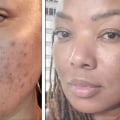
Acne is a common skin condition that affects individuals of all ages, often leading to not just physical discomfort but also emotional distress. It can be frustrating to deal with persistent breakouts, especially when they seem to appear out of nowhere. However, understanding Lifestyle changes to reduce acne flare-ups can be a game changer in your quest for clearer skin. While topical treatments and medications are often the go-to solutions, many overlook the power of daily habits and lifestyle adjustments that can significantly impact skin health. In this article, titled Effective Lifestyle Changes to Minimize Acne Breakouts, we will explore various strategies that go beyond conventional treatments.
From dietary modifications and skincare routines to stress management techniques and proper hydration, we will delve into how making simple yet effective lifestyle choices can pave the way for healthier, more radiant skin. By implementing these changes, you not only tackle the symptoms of acne but also address its root causes, fostering a holistic approach to skincare. Join us as we uncover practical tips and insights that can help you take control of your skin health and embark on a journey towards a clearer complexion. Whether you're a teenager facing hormonal changes or an adult dealing with stress-related breakouts, this guide is designed to equip you with the knowledge needed to minimize acne flare-ups effectively. Read on to discover how small adjustments in your daily routine can lead to big improvements in your skin's appearance!Acne is a common skin condition that affects many individuals, often prompting them to seek solutions not only through treatments but also through significant From dietary modifications and skincare routines to stress management techniques and proper hydration, we will delve into how making simple yet effective lifestyle choices can pave the way for healthier, more radiant skin. By implementing these changes, you not only tackle the symptoms of acne but also address its root causes, fostering a holistic approach to skincare. Join us as we uncover practical tips and insights that can help you take control of your skin health and embark on a journey towards a clearer complexion. Whether you're a teenager facing hormonal changes or an adult dealing with stress-related breakouts, this guide is designed to equip you with the knowledge needed to minimize acne flare-ups effectively. Read on to discover how small adjustments in your daily routine can lead to big improvements in your skin's appearance!Acne is a common skin condition that affects many individuals, often prompting them to seek solutions not only through treatments but also through significant lifestyle changes.
The impact of lifestyle on skin health cannot be overstated, particularly when it comes to managing and reducing acne flare-ups. While medical treatments such as topical medications and oral prescriptions are essential for some, lifestyle modifications can play a crucial role in achieving clearer skin. One of the primary areas to focus on is dietary adjustments. Research suggests that certain foods can trigger or exacerbate acne. For example, reducing the intake of sugar and dairy products may help minimize breakouts for some individuals.
Foods high in sugar can lead to insulin spikes, which may increase oil production and consequently lead to more acne. Instead, incorporating more fruits and vegetables into one's diet can provide essential vitamins and antioxidants that support skin health. Leafy greens, berries, and nuts are excellent choices that nourish the skin and may reduce inflammation. Another critical aspect of a healthy lifestyle is hydration. Drinking enough water is vital for maintaining skin elasticity and overall health.
Hydration helps flush out toxins from the body and can improve the appearance of the skin. Aiming for at least eight glasses of water a day can aid in keeping the skin hydrated and potentially reduce the likelihood of flare-ups. Herbal teas or infused waters with fruits can be a refreshing way to boost fluid intake. A consistent skincare routineskincare routine is also essential in managing acne. This includes cleansing the skin regularly to remove dirt and excess oil while also moisturizing appropriately.
Selecting non-comedogenic products—those formulated not to clog pores—is critical in preventing further breakouts. Ingredients like salicylic acid or benzoyl peroxide can be beneficial for active acne, while gentle moisturizers can help maintain hydration without contributing to oiliness.
Stress management
plays an equally significant role in acne prevention. High-stress levels can trigger hormonal changes that worsen acne. Engaging in activities such as yoga or meditation can help lower stress levels and promote relaxation.These practices not only benefit mental health but also contribute positively to skin conditions by minimizing stress-induced flare-ups. The importance of adequate sleep cannot be overlooked when discussing skin health. Sleep is the body’s time for repair and regeneration. Lack of sleep can lead to increased inflammation and a compromised immune system, both of which can worsen acne symptoms. Establishing a bedtime routine that promotes restful sleep—such as reducing screen time before bed, keeping a consistent sleep schedule, and creating a calm sleeping environment—can greatly benefit overall skin health. These lifestyle changes work synergistically with medical spa treatments, enhancing their effectiveness.
For instance, undergoing treatments like chemical peels or laser therapy can yield better results when complemented with a healthy diet, proper hydration, consistent skincare routines, effective stress management, and adequate rest. The combination of professional services with home remedies creates a comprehensive approach to acne treatment. It’s important to acknowledge that opinions may vary regarding certain dietary choices or skincare products. While some individuals may find success in eliminating dairy from their diet, others may not experience the same results. Similarly, while some non-comedogenic products work wonders for many, they might not suit every skin type.
Therefore, it is crucial for individuals to pay attention to their bodies and skin responses when making these adjustments. In conclusion, adopting effective lifestyle changes is an integral part of minimizing acne breakouts. By focusing on dietary adjustments, hydration, skincare routines, stress management, and sleep hygiene, individuals can take proactive steps towards achieving clearer skin while complementing any medical treatments they may choose to pursue.
The Role of Sleep
Sleep quality plays a crucial role in maintaining overall skin health and can significantly impact acne flare-ups. During sleep, the body undergoes essential processes that promote skin regeneration and repair. When we sleep, our body produces growth hormones that facilitate cell turnover, allowing damaged skin cells to be replaced with new, healthy ones. Inadequate sleep can lead to elevated levels of stress hormones, such as cortisol, which can trigger increased oil production in the skin.This excess oil can clog pores and contribute to the formation of acne. Moreover, poor sleep is often linked to inflammation, which can exacerbate existing skin conditions, including acne. Furthermore, lack of sleep can weaken the immune system, making it less effective at fighting off bacteria that contribute to acne development. Ensuring adequate sleep not only supports the skin's natural healing processes but also helps in managing stress levels, creating a comprehensive approach to acne prevention.To promote better sleep hygiene, it is recommended to establish a consistent sleep schedule, create a calming bedtime routine, and ensure a comfortable sleeping environment. By prioritizing quality sleep, individuals can enhance their skin health and potentially reduce the frequency and severity of acne breakouts.
Hydration Matters
Proper hydration plays a crucial role in maintaining healthy skin, particularly for individuals prone to acne.When the body is adequately hydrated, it helps to regulate various physiological processes that contribute to skin health. Water aids in the transportation of nutrients and the removal of toxins from the body, ensuring that the skin receives the essential elements it needs to remain vibrant and clear. Additionally, hydration helps maintain the skin's natural moisture barrier. This barrier is vital for preventing excess oil production, which can lead to clogged pores and acne flare-ups. When the skin is dehydrated, it may produce more oil in an attempt to compensate, ultimately resulting in a vicious cycle of breakouts. Moreover, staying hydrated can improve the overall texture and appearance of the skin.
It promotes elasticity, reduces the visibility of fine lines, and can even help with redness and inflammation associated with acne. To support your skin health effectively, aim to drink plenty of water throughout the day and incorporate hydrating foods such as fruits and vegetables into your diet. In summary, hydration is a simple yet powerful lifestyle change that can significantly impact acne management. By prioritizing proper fluid intake, individuals can create a foundation for healthier skin and enhance the effectiveness of both home remedies and professional treatments.
Stress Management Techniques
Managing stress is crucial for maintaining overall skin health, as elevated stress levels can trigger hormonal changes that may exacerbate acne. Implementing effective stress management techniques can help mitigate these flare-ups and promote clearer skin. One effective method is regular physical activity.Engaging in exercise releases endorphins, which are natural mood lifters. Activities such as yoga, running, or even brisk walking can reduce stress significantly. Aim for at least 30 minutes of moderate exercise most days of the week to reap these benefits. Mindfulness and meditation practices are also invaluable in managing stress. Taking just a few minutes each day to practice deep breathing, meditate, or engage in mindfulness exercises can help calm the mind and reduce anxiety.
Consider utilizing apps or guided sessions to help establish a consistent routine. Additionally, maintaining a balanced social life is essential. Spending time with friends and loved ones can provide emotional support and distract from daily stressors. Make it a priority to connect with people who uplift you and foster positive interactions. Finally, ensuring you get adequate sleep is vital for stress management. Lack of sleep can increase cortisol levels, contributing to acne.
Aim for 7-9 hours of quality sleep each night to help regulate your body’s stress response. Incorporating these stress management techniques into your daily routine not only promotes better mental health but also contributes to clearer skin by minimizing acne breakouts linked to stress.
Integrating Med Spa Treatments
While lifestyle changes play a crucial role in managing acne, integrating med spa treatments can significantly enhance the overall effectiveness of your skincare regimen. Many individuals seeking clearer skin often overlook how their daily habits and wellness choices can complement these professional treatments. Med spas offer a variety of services such as chemical peels, microdermabrasion, and laser therapy, which target acne at different levels. However, the true potential of these treatments can be unlocked when combined with thoughtful lifestyle changes. For instance, maintaining a balanced diet rich in antioxidants and omega-3 fatty acids can improve skin elasticity and healing, making your skin more responsive to aesthetic procedures. Additionally, proper hydration and a consistent skincare routine help prepare the skin for treatments by ensuring it is nourished and free from excess oils.When you incorporate healthy lifestyle habits, you may find that your skin not only reacts better to med spa therapies but also maintains its improvements for longer periods. This holistic approach fosters a cycle of health where both treatments and lifestyle choices work synergistically to combat acne flare-ups. Moreover, understanding the importance of stress management through practices like yoga or meditation can further enhance the results of med spa treatments. Stress is known to trigger hormonal fluctuations that can lead to acne breakouts. By managing stress effectively, you create a favorable environment for your skin to heal, thereby maximizing the benefits of the aesthetic interventions. In conclusion, integrating lifestyle changes with med spa treatments is essential for achieving and maintaining clearer skin.
By focusing on both aspects, individuals can create a comprehensive approach that not only addresses existing acne but also prevents future flare-ups.
Dietary Adjustments
When it comes to managing acne, dietary adjustments can play a significant role. Certain foods have been linked to increased acne flare-ups, making it essential for individuals to be mindful of their dietary choices. For instance, high-glycemic-index foods such as white bread, sugary snacks, and processed cereals can cause spikes in insulin levels, which may lead to increased oil production and ultimately contribute to acne. On the other hand, incorporating whole grains, fruits, and vegetables into your diet can help maintain stable blood sugar levels and promote overall skin health. Foods rich in antioxidants, like berries and leafy greens, can combat inflammation and support clearer skin. Dairy products are another factor worth considering.Some studies suggest that milk and other dairy items may exacerbate acne due to hormones present in these products. As an alternative, consider plant-based milk options such as almond or oat milk, which are less likely to trigger breakouts. Additionally, fatty acids found in fish, such as salmon and mackerel, have anti-inflammatory properties that can benefit skin health. Incorporating nuts and seeds, particularly flaxseeds and walnuts, can also provide essential omega-3 fatty acids. Ultimately, paying attention to how your diet affects your skin can lead to significant improvements in acne management. By making thoughtful dietary adjustments, individuals can create a foundation for healthier skin while exploring other treatments.
Skincare Routine Essentials
A consistent and effective skincare routine is crucial for managing acne and minimizing breakouts.To achieve clearer skin, individuals should focus on several key steps that cater to their skin type and specific needs. Below are essential components of a daily skincare routine:1.Cleanser: Start with a gentle, non-comedogenic cleanser that effectively removes dirt, oil, and makeup without stripping the skin of its natural moisture. Look for products containing salicylic acid or benzoyl peroxide, which can help prevent clogged pores.
2.Exfoliation:
Incorporate exfoliation into your routine 1-2 times a week to remove dead skin cells that can lead to breakouts. Choose chemical exfoliants like AHAs or BHAs instead of harsh physical scrubs, which can irritate the skin.3.Toner:
After cleansing, apply a toner to balance your skin's pH levels and remove any remaining impurities.Opt for alcohol-free toners with soothing ingredients like witch hazel or rose water to avoid irritation.
4.Treatment Products:
If you have active breakouts or are prone to acne, use spot treatments with ingredients such as benzoyl peroxide or tea tree oil. For those with hormonal acne, consider products containing retinoids, which can help regulate skin cell turnover.5.Moisturizer:
Even oily skin needs hydration. Use a lightweight, oil-free moisturizer that won't clog pores. Look for ingredients like hyaluronic acid or glycerin, which provide moisture without adding excess oil.6.Sunscreen:
Protecting your skin from UV rays is essential, especially when using acne treatments that can make your skin more sensitive to sunlight.Choose a non-comedogenic sunscreen with at least SPF 30 and apply it daily, even on cloudy days.
7.Night Care:
At night, consider using a retinol-based product to promote cell turnover and prevent clogged pores. This can be particularly effective for those struggling with persistent acne. By following these skincare essentials consistently, individuals can create a solid foundation for clearer skin while complementing their lifestyle changes aimed at reducing acne flare-ups. In conclusion, the key lifestyle changes discussed—such as dietary adjustments, prioritizing hydration, establishing a consistent skincare routine, managing stress, ensuring adequate sleep, and considering med spa treatments—are all vital strategies in managing acne flare-ups. By embracing these practices, individuals can significantly improve their skin health and reduce the frequency and severity of breakouts. It’s important to remember that while these lifestyle modifications can be incredibly beneficial, they work best in conjunction with professional treatments available at med spas. A balanced approach that combines home remedies with expert care can lead to clearer, healthier skin. We encourage you to share your experiences with these lifestyle changes or consult with skincare professionals for personalized advice tailored to your specific needs.Together, we can work towards achieving the radiant skin you desire.