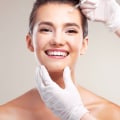
In the ever-evolving world of aesthetic treatments, patient demographics play a crucial role in understanding the effectiveness and appeal of various procedures. As med spas gain popularity, it becomes increasingly important to grasp who is seeking these treatments and what influences their decisions. From age and gender to lifestyle choices and cultural backgrounds, these factors significantly shape the landscape of aesthetic medicine. This article delves into the intricate details of patient demographics for different treatments offered at med spas, providing valuable insights for both practitioners and patients alike. By analyzing the profiles of those seeking aesthetic enhancements, we can better understand trends, preferences, and outcomes associated with popular procedures. Whether you are a prospective patient curious about the options available or a practitioner looking to tailor services to meet the demands of your clientele, understanding these demographics is essential.
Join us as we explore the diverse range of individuals who frequent med spas and discover how their unique characteristics influence their treatment choices. The aesthetic treatment industry has witnessed a remarkable surge in popularity, particularly within the realm of med spas. As more individuals seek to enhance their appearance without the need for invasive surgical procedures, the demand for non-surgical options has escalated. This trend highlights the importance of understanding patient demographics, as it enables med spas to tailor their treatments and marketing strategies effectively. Among the most sought-after treatments at med spas is Botox. This neurotoxin is primarily used to reduce the appearance of fine lines and wrinkles.
The typical demographic profile for Botox patients tends to skew towards women aged 30 to 60 years, with a significant portion of patients falling into the 40-50 age range. According to the American Society of Plastic Surgeons, in 2020 alone, approximately 4.4 million Botox procedures were performed in the United States, with women accounting for about 90% of these cases. This demographic not only indicates a strong interest in anti-aging solutions but also highlights the socio-economic factors at play, as many patients are often from middle to upper-middle-class backgrounds who can afford these treatments. Another popular treatment offered at med spas is dermal fillers, which are used to restore volume and fullness to the face. Similar to Botox, dermal fillers attract a predominantly female clientele, though there is a growing interest among men seeking facial enhancement.
The age range for dermal fillers tends to be slightly younger than that for Botox, with many patients being between 25 and 45 years old. Data from the American Academy of Facial Plastic and Reconstructive Surgery indicates that in recent years, there has been a notable increase in the number of younger individuals opting for fillers, reflecting a shift in societal beauty standards and an earlier adoption of cosmetic enhancements.Laser hair removalLaser hair removal is another treatment gaining traction, appealing to both men and women who desire smooth skin without the hassle of traditional hair removal methods. The typical demographic for this treatment includes young adults aged 20 to 35, with a strong representation from urban areas where trends in body grooming are more prominent. A survey by the American Society for Dermatologic Surgery reported that laser hair removal was one of the top five minimally invasive procedures performed in 2021, showcasing its growing acceptance among diverse populations.
Factors such as lifestyle choices and cultural norms contribute significantly to this demographic's decision-making process regarding hair removal.
Chemical peels
also cater to a wide demographic looking to improve skin texture and tone. The majority of chemical peel recipients are women aged 30 to 50, although there is an increasing trend among younger patients seeking preventive care for acne scars or early signs of aging. The flexibility in chemical peel strength allows practitioners to customize treatments based on individual skin types and concerns, thereby enhancing patient satisfaction. According to statistics, the global chemical peel market is expected to grow significantly over the coming years, driven by rising awareness about skincare among younger demographics. Understanding these also cater to a wide demographic looking to improve skin texture and tone. The majority of chemical peel recipients are women aged 30 to 50, although there is an increasing trend among younger patients seeking preventive care for acne scars or early signs of aging. The flexibility in chemical peel strength allows practitioners to customize treatments based on individual skin types and concerns, thereby enhancing patient satisfaction. According to statistics, the global chemical peel market is expected to grow significantly over the coming years, driven by rising awareness about skincare among younger demographics. Understanding these demographics is crucial not just for tailoring treatments but also for addressing potential concerns or misconceptions associated with aesthetic procedures.For instance, older patients may have reservations about safety or effectiveness based on their unique health conditions. Med spas must ensure that personalized care is prioritized, taking into account each patient's medical history and specific needs. Real-world case studies illustrate how individualized approaches lead to better outcomes; for example, a 55-year-old woman with a history of skin sensitivity may require a different treatment plan than a healthy 30-year-old seeking similar results. The importance of safety cannot be overstated when discussing aesthetic treatments across different patient groups. While many treatments are generally safe when administered by qualified professionals, adverse reactions can occur depending on demographic factors such as age or pre-existing health conditions.
Med spas must engage in thorough consultations to assess risks and manage expectations effectively. Educating patients about potential side effects and ensuring they understand the necessary aftercare further solidifies trust between practitioners and clients. In conclusion, as the landscape of aesthetic treatments continues to evolve, understanding patient demographics will play a pivotal role in shaping service offerings at med spas. By recognizing trends related to age, gender, and socio-economic status, practitioners can better cater to their clientele's needs while addressing any misconceptions regarding safety and effectiveness.
Safety and Effectiveness Concerns Across Demographics
The perceptions of safety and effectiveness of aesthetic treatments can significantly vary among different demographics. Factors such as age, gender, cultural background, and previous experience with medical procedures play a crucial role in shaping these perceptions.For example, younger patients might be more inclined to try innovative treatments due to a greater exposure to social media and peer influences, while older patients may prioritize safety due to concerns about potential side effects or complications. Furthermore, individuals from diverse cultural backgrounds might have differing beliefs about beauty standards and the use of aesthetic enhancements. This can influence their willingness to undergo certain procedures and their expectations regarding outcomes. Understanding these demographic nuances is essential for practitioners aiming to provide effective treatment plans that resonate with their clients. Equally important is the role of thorough consultation in addressing these concerns. During initial consultations, practitioners should engage in open dialogues with patients about their specific fears and expectations.
This individualized approach not only builds trust but also allows providers to tailor treatments that align with the unique needs of each demographic group. Individualized treatment plans should incorporate patient history, lifestyle factors, and aesthetic goals. By doing so, med spas can enhance the overall effectiveness of treatments while minimizing risks associated with procedures. Ultimately, prioritizing safety and effectiveness in a demographic-sensitive manner is key to fostering positive patient experiences and outcomes in the growing field of aesthetic treatments.
Demographic Trends in Aesthetic Treatments
The landscape of aesthetic treatments at med spas is shaped significantly by various demographic trends. Understanding these trends is crucial for practitioners aiming to tailor their offerings and marketing strategies effectively.Age
plays a pivotal role in determining treatment preferences.Younger patients, particularly those aged 20 to 30, often seek preventative measures such as BOTOX and dermal fillers to maintain their youthful appearance. In contrast, individuals aged 40 and above may lean towards more intensive procedures like facelifts or skin rejuvenation treatments as they respond to visible signs of aging.
Gender
is another significant factor influencing treatment decisions. Historically, women have been the primary consumers of aesthetic treatments; however, there has been a notable increase in men seeking procedures such as Botox, hair restoration, and body contouring. This shift illustrates a growing acceptance of aesthetic enhancements among male demographics. Cultural influences also heavily impact patient preferences in aesthetic treatments.In some cultures, there is a strong emphasis on beauty standards that prioritize youthful appearances, prompting individuals to pursue various non-surgical options. Additionally, the rise of social media platforms has led to increased awareness and interest in aesthetic procedures, with many patients seeking treatments that enhance their appearance for online sharing. In summary, the demographic trends observed in patients seeking aesthetic treatments at med spas reveal a complex interplay of age, gender, and cultural factors. By analyzing these trends, med spas can better position themselves to meet the needs of their diverse clientele.
Finding a Reputable Med Spa
When searching for a reputable med spa, it is crucial to consider When searching for a reputable med spa, it is crucial to consider patient demographics as they can significantly influence the quality and type of treatments offered. Understanding the specific needs and preferences of different demographic groups will help you find a med spa that is well-equipped to meet your requirements. Start by researching local med spas through online reviews and ratings.Websites like Yelp and Google Reviews can provide insights into the experiences of previous clients, which can be particularly useful in assessing how well a med spa caters to various demographic preferences. Pay attention to feedback regarding staff professionalism, treatment results, and overall patient satisfaction. Another important aspect is to inquire about the qualifications and experience of the medical professionals at the med spa. Look for practitioners who have specialized training in aesthetic treatments relevant to your demographic group. For instance, certain techniques may be more effective for different age groups or skin types. Consider visiting the med spa in person before making a decision.
During your visit, observe the atmosphere, cleanliness, and professionalism of the staff. This will help you gauge whether the environment is welcoming and suitable for your demographic needs. Networking within your community can also provide valuable insights. Ask friends, family, or colleagues about their experiences with local med spas. Personal recommendations can often lead you to reputable practitioners who understand the unique patient demographics in your area. Lastly, utilize resources such as professional organizations or accreditation bodies that certify med spas.
These organizations often have directories that list accredited facilities based on specific criteria, ensuring that you find a reputable med spa that aligns with your demographic preferences.
Popular Treatments and Their Patient Profiles
The realm of aesthetic treatments is vast, with numerous options available to those seeking enhancement through med spas. Understanding the patient demographics associated with these popular treatments helps practitioners tailor their services effectively. Below, we explore two widely sought-after treatments: Botox and laser hair removal, along with the typical profiles of patients who pursue them.Botox
has emerged as one of the most requested treatments in med spas, primarily for its effectiveness in reducing the appearance of fine lines and wrinkles. The typical patient profile for Botox includes both men and women, often aged between 30 to 55 years.Many are professionals who desire a youthful appearance to boost their confidence in both personal and work settings. Patients seeking Botox often have a proactive approach to skincare and are motivated by the desire to maintain a vibrant look as they age. On the other hand, laser hair removal appeals to a diverse demographic, including both genders and varying age groups. However, the primary clientele tends to be women aged 20 to 40 years who are looking for long-term solutions to unwanted hair. These individuals often lead busy lifestyles and appreciate the convenience that laser hair removal offers compared to traditional hair removal methods.
Additionally, there is an increasing trend of male clients seeking laser hair removal for grooming purposes, particularly on areas such as the back and chest. By identifying these patient profiles, med spas can more effectively market their services and tailor treatment plans that meet the unique needs of their clientele.
Understanding patient demographics
is crucial in the realm of aesthetic treatments at med spas. As the industry continues to evolve, recognizing the unique needs and preferences of different demographic groups can significantly enhance the effectiveness of treatments and marketing strategies. With a growing number of individuals seeking non-surgical options to improve their appearance, it becomes increasingly important to tailor services to meet the diverse backgrounds and expectations of clients. As you explore your own treatment options, consider how your demographic profile may influence the choices available to you. Factors such as age, gender, and skin type can play a pivotal role in determining which procedures will yield the best results for you.Additionally, understanding these elements can empower you to make informed decisions that align with your aesthetic goals. Lastly, we encourage you to consult with qualified professionals who can provide personalized advice based on your specific circumstances. Their expertise will not only help you navigate the various options but also ensure that you receive safe and effective treatments tailored to your individual needs.