In today's world, the quest for an ideal body shape has led to a surge in interest surrounding body contouringbody contouring options. With advancements in medical technology and a growing desire for aesthetic enhancement, individuals are increasingly faced with the decision of whether to pursue surgical or non-surgical approaches. Each pathway offers unique benefits and considerations, making it essential to understand the full spectrum of choices available. As we navigate through this pivotal decision-making process, it is crucial to evaluate not only the effectiveness and longevity of various procedures but also their associated risks, recovery times, and overall costs. This comprehensive exploration aims to shed light on the differences between surgical methods—often sought for their dramatic results—and non-surgical alternatives that promise less invasive solutions with minimal downtime. Whether you are contemplating a significant transformation or simply seeking subtle enhancements, understanding the pros and cons of each option will empower you to make an informed choice that aligns with your goals and lifestyle.
Join us as we delve into the intricate world of body contouring, comparing the myriad of surgical and non-surgical options available today. The world of aesthetic treatments at med spas has seen a remarkable surge in popularity, particularly in the realm of body contouring. As individuals increasingly seek ways to enhance their appearance and boost their confidence, understanding the spectrum of available options becomes crucial. With both surgical and non-surgical approaches offering unique benefits and potential drawbacks, it is essential to explore the key differences between these methods to make informed decisions. When it comes to surgical body contouring, procedures such as liposuction and tummy tucks are among the most popular choices. Liposuction involves the removal of stubborn fat deposits through suction, allowing for sculpting of various body areas, while tummy tucks, or abdominoplasty, focus on tightening the abdominal wall by removing excess skin and fat.
One of the primary advantages of these surgical options is their ability to deliver significant and long-lasting results. Patients often report a dramatic transformation, which can lead to increased self-esteem. However, surgical procedures come with inherent risks. Complications such as infection, scarring, and anesthesia-related issues can occur. Moreover, the recovery time for these surgeries can be substantial, often requiring several weeks before patients can return to normal activities.
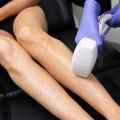
This aspect makes safety a critical consideration for anyone contemplating surgical options. On the other hand, non-surgical body contouring alternatives like CoolSculpting and laser treatments have gained traction due to their minimally invasive nature and shorter recovery times. CoolSculpting utilizes cryolipolysis technology to freeze fat cells, which are then naturally eliminated by the body over time. This method is praised for its safety profile, as it typically requires no downtime. Similarly, laser treatments target fat cells using concentrated light energy, resulting in gradual fat reduction without the need for incisions. The effectiveness of non-surgical methods is often viewed through a different lens than surgical options.
While they may not provide the dramatic results associated with procedures like liposuction or tummy tucks, many patients appreciate the subtle improvements and the lack of lengthy recovery periods. Testimonials from satisfied clients frequently highlight how these treatments fit seamlessly into their busy lives, allowing them to return to their routines almost immediately. It's important to address common concerns surrounding the safety and effectiveness of non-surgical options. Skeptics may argue that these methods do not produce significant changes, but numerous studies and expert opinions suggest otherwise. For instance, a clinical trial published in a reputable medical journal demonstrated that patients who underwent CoolSculpting experienced an average fat reduction of 20-25% in targeted areas after several sessions.
Such evidence helps reassure potential patients that non-surgical options can indeed yield desirable outcomes. Nonetheless, some individuals may feel uncertain about choosing non-surgical methods due to perceived limitations in results or duration. While it is true that non-surgical procedures may require multiple sessions for optimal results and that outcomes may not be as dramatic as those from surgical interventions, many patients find the trade-off of reduced risk and recovery time worthwhile. Consulting with experienced professionals can also help tailor treatment plans that align with personal goals. In conclusion, both surgical and non-surgical body contouring options present unique advantages and considerations. By weighing factors such as safety, recovery time, effectiveness, and longevity of results, individuals can better navigate their choices in pursuit of enhanced aesthetics.
Whether opting for a surgical solution like liposuction or embracing a non-invasive approach like CoolSculpting, understanding these distinctions empowers prospective patients to make informed decisions on their journey toward achieving their body contouring goals.
Choosing the Right Option for You
When it comes to body contouring, the plethora of options available can be overwhelming. To make an informed decision, it is essential to align your treatment choice with your personal goals, lifestyle, and budget.Surgical options
, such as liposuction or tummy tucks, often provide more dramatic results but come with longer recovery times and higher costs. These procedures are typically suited for individuals looking for significant changes and who are prepared for the commitment of post-operative care. On the other hand, non-surgical options, including CoolSculpting or injectable treatments, offer less invasive solutions with minimal downtime.These may be ideal for those seeking subtle enhancements or who have a busy lifestyle that doesn’t allow for extended recovery periods. When considering your budget, it’s crucial to factor in not just the initial cost of the procedure but also any potential follow-up treatments or maintenance needed for non-surgical options. It’s advisable to consult with a qualified practitioner who can help you weigh the pros and cons based on your individual circumstances. Ultimately, the decision should reflect what makes you feel most comfortable and confident in your body. Taking the time to evaluate your goals and resources will lead you to the right body contouring option that fits seamlessly into your life.
Safety and Effectiveness: What You Need to Know
When considering surgical and non-surgical options for body contouring, understanding the safety and effectiveness of each approach is crucial. Both methods come with their own set of advantages and potential risks that must be weighed carefully.Surgical body contouring
procedures, such as liposuction or tummy tucks, typically offer more dramatic and immediate results.However, they also involve significant recovery time and potential complications. Common risks associated with surgical options include infection, bleeding, scarring, and adverse reactions to anesthesia. It is essential for individuals to consult with board-certified surgeons who can provide a thorough assessment of their medical history and discuss any specific health concerns. On the other hand, non-surgical body contouring treatments, like cryolipolysis or ultrasound therapy, tend to have fewer risks associated with them. These procedures are often less invasive and can be performed in a med spa setting with minimal downtime. treatments, like cryolipolysis or ultrasound therapy, tend to have fewer risks associated with them. These procedures are often less invasive and can be performed in a med spa setting with minimal downtime.
However, potential side effects may include temporary redness, swelling, or discomfort in the treated area. While these treatments are generally considered safe, their effectiveness may vary from person to person, and multiple sessions may be required to achieve desired results. Ultimately, the choice between surgical and non-surgical options will depend on individual goals, desired outcomes, and personal health considerations. By understanding the safety profiles and effectiveness of each approach, individuals can make informed decisions that align with their aesthetic aspirations.
Understanding Surgical Body Contouring Options
When considering body contouring, surgical procedures offer a range of options designed to address specific aesthetic goals. These procedures can provide significant and lasting results, making them an attractive choice for individuals seeking more dramatic changes. One of the most popular surgical options is liposuction, which involves the removal of excess fat from targeted areas of the body.This procedure can be performed using various techniques, including tumescent, ultrasonic, and laser-assisted liposuction. The recovery time typically ranges from one to two weeks, depending on the extent of the surgery and the individual’s overall health. Patients can expect to see a noticeable reduction in fat deposits and improved body contours following the procedure. Another common surgical option is the tummy tuck, or abdominoplasty. This procedure is designed to remove excess skin and fat from the abdominal area while tightening the underlying muscles.
The process usually takes several hours and involves a longer recovery period of about two to four weeks. Results can be dramatic, with a flatter, firmer abdomen that enhances overall body proportions. The body lift is another significant surgical option that targets multiple areas of the body, including the abdomen, buttocks, and thighs. Often sought after by individuals who have experienced substantial weight loss, this procedure removes excess skin and reshapes the body for a more contoured appearance. Recovery can take several weeks, but patients often report improved self-image and confidence as a result of their transformed silhouette. For those looking to enhance their upper body, breast augmentation or reduction surgeries are popular choices.
Breast augmentation involves the placement of implants to increase breast size, while breast reduction focuses on removing excess tissue to achieve a more proportionate bust line. Both procedures typically involve a recovery time of one to two weeks, with final results becoming evident after swelling subsides. In summary, surgical body contouring options provide individuals with effective means to achieve their aesthetic goals. Each procedure comes with its own set of processes, recovery times, and expected outcomes, making it essential for prospective patients to consult with qualified professionals to determine the best approach for their needs.
Exploring Non-Surgical Treatments
In recent years, the demand for non-surgical body contouring options has surged, making them a popular choice for individuals looking to enhance their appearance without the need for invasive procedures. Non-surgical treatmentsNon-surgical treatments offer a range of innovative solutions that cater to various aesthetic goals, from fat reduction to skin tightening. One of the most widely recognized non-surgical options is CoolSculpting, a procedure that utilizes cryolipolysis technology to target and freeze fat cells.This method is effective in reducing stubborn pockets of fat and typically requires no downtime, allowing individuals to return to their daily activities almost immediately. Another popular treatment is Ultherapy, which employs ultrasound technology to stimulate collagen production in the skin. This non-invasive procedure is ideal for those looking to lift and tighten sagging skin on the face, neck, and décolletage, offering a more youthful appearance without surgery.
Injectable treatments
, such as dermal fillers and Botox, are also gaining traction in the realm of body contouring. While primarily known for facial enhancements, these injectables can be used to sculpt areas like the jawline or enhance the contours of the body, providing subtle yet significant improvements. Additionally, treatments such as radiofrequency therapy and laser skin tightening can help improve skin texture and firmness. These procedures work by delivering energy to the deeper layers of the skin, promoting collagen production and resulting in smoother, tighter skin. The benefits of choosing non-surgical treatments are numerous.Aside from minimal recovery time, these options often come with fewer risks and complications compared to surgical alternatives. Many individuals appreciate the ability to achieve noticeable results while avoiding the complexities associated with surgery. As aesthetic advancements continue to evolve, med spas are expanding their offerings of non-surgical body contouring options, making it essential for potential clients to stay informed about the latest treatments available. Understanding these choices empowers individuals to make informed decisions that align with their personal aesthetic goals. In conclusion, we have explored the diverse landscape of body contouring options, highlighting the distinctions between surgical and non-surgical approaches. Each option comes with its unique benefits and considerations, making it crucial for individuals to fully understand what each entails before making a decision.
We emphasized the significance of safety and effectiveness in these treatments, as well as the importance of aligning choices with personal goals. Ultimately, the journey toward enhancing your appearance and boosting your confidence through body contouring is deeply personal. It is essential to make informed decisions that cater to your individual needs and preferences. Therefore, we encourage readers to consult with qualified professionals at med spas. These experts can provide tailored advice and guidance, ensuring that you choose the option that best fits your goals.