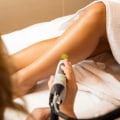
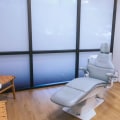
As the wellness industry continues to evolve, many people find themselves asking: what exactly sets Med Spas apart from traditional spas? While both types of establishments aim to enhance your physical appearance and promote relaxation, they offer distinctly different services and experiences. Understanding these differences is crucial for anyone considering a visit to either type of facility.
Med Spas
, or medical spas, are often overseen by licensed medical professionals and provide a range of advanced aesthetic treatments that go beyond the typical spa services. They typically offer procedures such as laser hair removal, injectables like Botox, and chemical peels, all administered in a medically supervised environment. On the other hand, , or medical spas, are often overseen by licensed medical professionals and provide a range of advanced aesthetic treatments that go beyond the typical spa services. They typically offer procedures such as laser hair removal, injectables like Botox, and chemical peels, all administered in a medically supervised environment. On the other hand, traditional spas focus primarily on relaxation and wellness treatments, including massages, facials, and body scrubs, aimed at rejuvenating the mind and body. This article delves into the key differences between Med Spas and traditional spas, helping you make an informed choice about which facility best suits your needs.Whether you’re seeking a relaxing day of pampering or considering more advanced aesthetic treatments, understanding these differences will empower you to choose the right path for your wellness journey. In recent years, there has been a surge of interest in aesthetic treatments, leading many individuals to explore the options available at med spas and traditional spas. While both types of facilities aim to enhance their clients' well-being and appearance, significant differences exist between them that can influence a person's choice when seeking beauty and wellness services. The primary distinctions between med spas and traditional spas lie in the services offered, regulatory oversight, staff qualifications, and treatment focus. Traditional spas typically provide a variety of relaxation and wellness services such as massages, facials, manicures, and pedicures. These services are primarily focused on promoting relaxation and improving overall skin health without the use of invasive procedures.
In contrast, med spas bridge the gap between a medical clinic and a day spa, offering more advanced aesthetic procedures that require medical expertise. Services at med spas often include BOTOX injections, dermal fillers, laser hair removal, chemical peels, and other minimally invasive treatments that are designed to address specific cosmetic concerns. Another critical difference is the level of regulatory oversight each type of facility operates under. Traditional spas are generally less regulated and can be run by licensed cosmetologists or estheticians who have completed training programs. However, med spas must adhere to stricter regulations due to the medical nature of the services they provide.
They are often overseen by licensed medical professionals such as dermatologists or plastic surgeons who ensure that procedures are performed safely and effectively. This added layer of medical oversight is crucial for treatments like laser hair removal, where improper technique can result in adverse effects. The qualifications of the staff at these establishments also differ significantly. In traditional spas, practitioners may have limited training specific to aesthetic procedures; however, in a med spamed spa, providers typically include licensed medical professionals such as physicians, nurse practitioners, or physician assistants with specialized training in cosmetic treatments. This expertise not only enhances the safety of the procedures but also improves their effectiveness.
For example, a physician performing BOTOX injections has a deeper understanding of facial anatomy than a typical spa technician, which can lead to more precise results. When it comes to treatment focus, traditional spas prioritize relaxation and holistic wellness experiences, while med spas concentrate on achieving specific aesthetic outcomes. Patients who visit med spas are often seeking targeted solutions for concerns like wrinkles, skin laxity, or unwanted hair. Understanding these differences is essential for individuals considering where to go for their aesthetic needs. The importance of safety and effectiveness in aesthetic treatments cannot be overstated. Research indicates that patients who receive procedures from qualified medical professionals tend to report higher satisfaction rates and experience fewer complications compared to those treated in less regulated environments.
According to a study published in the Aesthetic Surgery Journal, patients treated in medical settings showed a 30% lower incidence of adverse events than those treated in non-medical facilities. Despite their growing popularity, many misconceptions about med spas and traditional spas persist. Some individuals may believe that all spa services are created equal or underestimate the potential risks associated with aesthetic treatments performed by inadequately trained staff. Industry experts emphasize the importance of doing thorough research before undergoing any procedure and consulting with qualified professionals to ensure safe practices. Aesthetic nurse specialist Dr.
Jane Smith notes, "Choosing a reputable med spa can significantly impact your treatment experience; it's about prioritizing your health while enhancing your beauty."Testimonials from satisfied clients can also shed light on the real-life experiences at both types of facilities. For instance, one client shared her journey: "I went to a traditional spa for years for facials but never saw significant results until I tried a can significantly impact your treatment experience; it's about prioritizing your health while enhancing your beauty."Testimonials from satisfied clients can also shed light on the real-life experiences at both types of facilities. For instance, one client shared her journey: "I went to a traditional spa for years for facials but never saw significant results until I tried a med spa. The BOTOX I received transformed my look completely! The staff was knowledgeable, and I felt safe throughout the entire process." Such stories illustrate how understanding the differences between these two types of establishments can lead to more informed decisions regarding personal care. In conclusion, while both med spas and traditional spas offer valuable services aimed at improving well-being, their core differences in terms of services offered, regulatory oversight, staff qualifications, and treatment focus play a significant role in determining which facility is most suitable for individual needs. As the demand for aesthetic treatments continues to grow, being informed about these distinctions is essential for anyone seeking to enhance their appearance safely and effectively.
Staff Qualifications: Who's Behind the Treatments?
When it comes to choosing between a med spa and a traditional spa, one of the most critical factors to consider is the qualifications of the staff.This distinction can greatly impact the quality and safety of the treatments you receive. At traditional spas, services are typically offered by licensed estheticians and massage therapists who specialize in relaxation and beauty treatments. These professionals are trained in areas such as facials, body scrubs, and massages. Their primary focus is on enhancing wellness and providing a soothing experience for clients. In contrast, med spas combine the relaxing environment of a spa with the medical expertise of healthcare professionals. Here, you will find a team that may include licensed medical doctors, nurse practitioners, and physician assistants.
These individuals are often certified in performing advanced aesthetic procedures, such as Botox injections, dermal fillers, and laser hair removal. Their medical training equips them with a deeper understanding of skin anatomy, potential side effects, and post-treatment care. The presence of qualified medical staff in a med spa means that clients can expect a higher level of safety and care when undergoing more invasive treatments. Additionally, these professionals can offer personalized treatment plans based on individual health needs and cosmetic goals. This is an important consideration for individuals seeking specific procedures that require medical oversight. Ultimately, understanding the qualifications of the staff at both traditional spas and med spas can help clients make informed decisions about where to receive their treatments.
Knowing who is behind the services not only ensures a better experience but also fosters trust in the care provided.
Safety and Effectiveness: Making Informed Choices
When considering aesthetic treatments, understanding the differences between med spas and traditional spas is crucial for ensuring both safety and effectiveness. Med spas, or medical spas, are overseen by licensed medical professionals, which allows them to offer more advanced procedures that require medical expertise. At a med spa, treatments such as Botox, dermal fillers, and laser hair removal are performed by trained practitioners who have the necessary qualifications to administer these procedures safely. This medical oversight ensures that safety protocols are strictly followed, minimizing the risk of complications. In contrast, traditional spas typically focus on relaxation and beauty treatments such as massages, facials, and body scrubs. While these treatments can be highly beneficial for overall well-being, they do not involve the same level of medical intervention or oversight as those found in a med spa. Moreover, the effectiveness of treatments at med spas is often backed by scientific research and clinical practices.For example, FDA-approved devices and products are commonly used in med spas to ensure optimal results. This can lead to greater satisfaction for clients seeking specific outcomes, such as smoother skin or reduced hair growth. In summary, individuals seeking aesthetic enhancements should consider the safety protocols and the proven effectiveness of treatments available at med spas. By choosing a facility with qualified medical professionals, clients can make informed choices that align with their beauty and health goals.
Regulatory Oversight: What You Should Know
The regulatory environment governing med spas and traditional spas differs significantly, primarily due to the nature of the services they provide.Med spas
, short for medical spas, offer a range of aesthetic procedures that require medical oversight, while traditional spas focus on relaxation and wellness treatments.Med spas
are typically overseen by licensed medical professionals, such as doctors or nurse practitioners, who must adhere to strict state regulations regarding the administration of medical treatments.This oversight ensures that procedures like Botox injections, laser hair removal, and chemical peels are performed safely and effectively. Each state has its own set of laws governing which medical professionals can operate a med spa, and what qualifications they must have. In contrast, traditional spas do not require the same level of medical supervision. They may offer services like massages, facials, and body treatments that do not involve invasive procedures or the use of prescription medications. As a result, the regulatory framework for traditional spas is generally less stringent.
Operators typically need to comply with local health department regulations but do not require a medical license. This fundamental difference in regulatory oversight is crucial for consumers to understand. When seeking aesthetic treatments, it is vital to ensure that they are receiving care from qualified professionals in a regulated environment. Knowing whether a facility is a med spa or a traditional spa can guide individuals in making informed decisions about their treatment options.
Common Misconceptions: Clearing Up Confusion
When exploring the world of spas, many individuals hold misconceptions about the differences between med spas and traditional spas. Understanding these distinctions is crucial for making informed choices about personal care and aesthetic treatments. One common myth is that all spas offer the same services.While traditional spas focus primarily on relaxation and holistic treatments like massages, facials, and body scrubs, med spas incorporate medical procedures such as Botox, fillers, and laser hair removal. This blend of medical and aesthetic care is what sets med spas apart. Another misunderstanding is that med spas are only for serious medical issues. In reality, many individuals visit med spas for cosmetic enhancements or preventative care. It’s not just about addressing problems; it’s also about maintaining a youthful appearance and boosting self-confidence. Additionally, some people may believe that all practitioners at med spas are doctors.
While many med spas are overseen by licensed medical professionals, various procedures can be performed by trained aestheticians or nurse practitioners under the supervision of a physician. This can create a perception that the level of care is inconsistent, which is not necessarily true. Lastly, there’s a notion that traditional spas offer a more luxurious experience compared to med spas. While traditional spas may excel in creating a serene atmosphere with amenities like saunas and whirlpools, many med spas also prioritize comfort and ambiance, providing a welcoming environment for their clients. By addressing these common misconceptions, individuals can better navigate their options in the spa industry and make choices that align with their personal goals and preferences.
Services Offered: A Comparison
When exploring the differences between med spas and traditional spas, one of the most significant factors to consider is the range of services offered. Both types of establishments aim to enhance well-being and promote relaxation, but they do so through different approaches and treatments.Traditional spas
typically focus on wellness and relaxation services.Common offerings include massages, facials, body treatments, and manicures and pedicures. These services are designed to provide stress relief, improve skin health, and foster a sense of tranquility. The environment in a traditional spa often emphasizes serenity, with soothing music, calming scents, and a holistic approach to health. On the other hand, med spas, or medical spas, blend traditional spa experiences with medical procedures. They offer a range of aesthetic treatments that are typically performed under the supervision of licensed medical professionals.
Common services at med spas include BOTOX injections, dermal fillers, laser hair removal, chemical peels, and microdermabrasion. These procedures are more clinical in nature and often require specialized training and expertise. The key distinction lies in the intent behind the services. While traditional spas prioritize relaxation and rejuvenation, med spas focus on providing solutions for specific aesthetic concerns. This difference in service offerings can significantly impact an individual's choice when considering their options for personal care. Ultimately, understanding the variety of services offered at both med spas and traditional spas can empower individuals to make informed decisions based on their unique needs and goals.
Staff Qualifications: Who's Behind the Treatments?
When considering the differences between Med Spas and traditional spas, one of the most crucial factors to evaluate is the qualifications of staff at each facility.This aspect significantly influences the quality and safety of the treatments offered. At traditional spas, services are typically provided by licensed estheticians and therapists who specialize in skincare, massages, and relaxation therapies. These professionals are trained in various spa techniques but may not possess advanced medical training. In contrast, Med Spas are overseen by licensed medical professionals, such as doctors or nurse practitioners, who have the authority to perform more advanced aesthetic procedures. The staff at a Med Spa often includes registered nurses (RNs), physician assistants (PAs), and certified aestheticians who have undergone additional training in specific medical treatments like Botox, dermal fillers, and laser hair removal.
This medical oversight ensures that procedures are performed safely and effectively, with a focus on patient care and results. The presence of qualified medical staff at Med Spas also means that they can address any complications or side effects that may arise during or after a treatment. Understanding these differences in staff qualifications can empower individuals to make informed choices about where to seek their desired aesthetic treatments.
Staff Qualifications: Who's Behind the Treatments?
When considering treatments at either a med spa or a traditional spa, one of the most important aspects to evaluate is the qualifications of the staff. The expertise and training of personnel can significantly influence the quality and safety of the services provided. In a traditional spa, services are generally focused on relaxation and wellness. Staff may include licensed estheticians and massage therapists, who are trained to provide treatments such as facials, massages, and body scrubs.Their qualifications typically involve completion of accredited programs in esthetics or massage therapy, followed by state licensure. This ensures that they possess a foundational knowledge of skincare and bodywork techniques. On the other hand, med spas operate under a different set of regulations due to the medical nature of many treatments offered. Staff at these facilities often includes licensed medical professionals such as physicians, nurse practitioners, and physician assistants, who are authorized to perform advanced aesthetic procedures. For instance, procedures like Botox injections or laser hair removal require specialized training and certification.
The presence of a medical professional not only ensures adherence to safety protocols but also allows for a deeper understanding of anatomy and potential complications. The difference in staff qualifications impacts service delivery significantly. At a med spa, clients can expect a more clinical approach, often involving thorough consultations to assess individual needs and medical history. This level of scrutiny helps in tailoring treatments effectively while ensuring patient safety. In contrast, while traditional spas offer a more relaxed atmosphere focused on pampering and wellness, they may not provide the same level of personalized medical oversight. Ultimately, understanding these differences in staff qualifications can guide individuals in making informed choices that align with their specific aesthetic goals.
Whether seeking relaxation or advanced cosmetic treatments, knowing who is behind the services can enhance the overall experience and satisfaction. In summary, understanding the key differences between med spas and traditional spas is essential for anyone considering aesthetic treatments. This article has explored various aspects, including the services offered, staff qualifications, regulatory oversight, safety and effectiveness, and common misconceptions.By recognizing the distinctions between these two types of facilities, individuals can make more informed choices that align with their personal needs and preferences. Whether you are interested in advanced procedures like Botox or simply looking for relaxation, conducting thorough research will empower you to select the right option for your aesthetic journey.