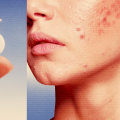
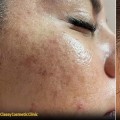
Acne is a common skin condition that affects millions of people worldwide, often leading to self-esteem issues and emotional distress. While there are numerous treatments available, many individuals are increasingly turning to natural ingredients for acne control as a safer and more holistic approach. The appeal of using nature's bounty lies in its effectiveness, gentleness, and the lesser-known side effects compared to conventional medications. In a world filled with harsh chemicals and artificial additives, the quest for effective solutions from nature has gained momentum. This article delves into the rich world of natural remedies that have been used for centuries to combat acne.
From soothing herbal extracts to powerful essential oils, we will explore a variety of ingredients that not only help in managing acne but also promote overall skin health. Join us as we uncover the secrets of nature's pantry, providing you with insightful information on how to harness these incredible resources for clearer, healthier skin. Whether you're a long-time sufferer or just beginning your journey towards acne-free skin, this comprehensive guide aims to empower you with knowledge and practical solutions. The growing interest in natural ingredients for acne control reflects a shift towards holistic and non-invasive approaches to skincare. Many individuals are increasingly seeking remedies that not only target acne but also promote overall skin health. Understanding how these natural ingredients work and their benefits compared to traditional treatments is crucial for anyone looking to improve their skin condition. One of the most popular natural ingredients for acne control is tea tree oil.
Known for its antibacterial and anti-inflammatory properties, tea tree oil can significantly reduce acne breakouts. A study published in the Medical Journal of Australia found that a 5% tea tree oil gel was as effective as a 5% benzoyl peroxide solution in reducing acne lesions, with fewer side effects. When applied to the skin, tea tree oil penetrates the pores, killing acne-causing bacteria and reducing inflammation, making it a powerful ally in the fight against acne.
Aloe vera
is another remarkable ingredient known for its soothing properties. It contains salicylic acid, which is commonly used in acne treatments due to its ability to unclog pores and reduce swelling.Furthermore, aloe vera is rich in vitamins and antioxidants that promote healing and skin regeneration. Numerous testimonials highlight its effectiveness; users often report reduced redness and irritation after incorporating aloe vera gel into their skincare routines. Its gentle nature makes it suitable for all skin types, including sensitive skin.
Honey
, particularly manuka honey, is celebrated for its natural antibacterial properties. It can help control acne by inhibiting the growth of bacteria on the skin's surface.In addition, honey acts as a humectant, drawing moisture into the skin and promoting hydration without clogging pores. Research published in the Journal of Cosmetic Dermatology indicated that honey could be effective in reducing acne lesions and improving overall skin appearance. Applying honey as a mask or spot treatment can provide both immediate relief and long-term benefits.
Green tea
has also emerged as a powerful natural remedy for acne control. Rich in polyphenols, particularly epigallocatechin-3-gallate (EGCG), green tea helps reduce sebum production and has anti-inflammatory effects.A study in the journal Dermatologic Therapy showed that topical application of green tea extract resulted in a significant reduction in acne lesions. Incorporating green tea into your skincare routine, whether through topical products or by drinking it regularly, can help enhance skin health and combat breakouts. The potential for using these natural ingredients in conjunction with med spa treatments is increasingly recognized by skincare professionals. Many med spas are beginning to integrate these natural solutions into their offerings, creating treatments that combine professional care with the benefits of nature. For example, combining in conjunction with med spa treatments is increasingly recognized by skincare professionals. Many med spas are beginning to integrate these natural solutions into their offerings, creating treatments that combine professional care with the benefits of nature. For example, combining tea tree oil with a professional facial can enhance its efficacy, providing patients with a more comprehensive approach to treating acne while minimizing side effects associated with chemical treatments. Despite the many benefits of natural remedies, there are common misconceptions regarding their effectiveness and safety.
Some individuals may believe that because these ingredients are natural, they cannot cause any adverse effects. However, it's essential to conduct patch tests before fully incorporating any new ingredient into your routine to avoid allergic reactions or irritations. Additionally, while natural remedies can be effective, they may not work for everyone; it's vital to consult with a dermatologist if you have persistent or severe acne. Incorporating these natural ingredients into your daily skincare routine can be simple and rewarding. For instance, you can create a DIY face mask using honey and green tea for an anti-acne boost or apply pure aloe vera gel directly to blemishes for soothing relief.
Diluted tea tree oil can be used as a spot treatment on active breakouts. By taking small steps to include these natural solutions in your regimen, you can take control of your skin's health while enjoying the benefits of nature's wisdom.
Aloe Vera: Soothing and Healing
Aloe Vera is renowned for its remarkable soothing properties, making it a popular choice for individuals dealing with acne. The gel extracted from the leaves of the Aloe Vera plant contains a wealth of vitamins, minerals, and amino acids that contribute to its healing abilities. When applied to irritated skin, Aloe Vera works to calm inflammation and redness, providing immediate relief. In addition to its calming effects, Aloe Vera is an excellent moisturizer.Unlike traditional moisturizers that may clog pores, Aloe Vera delivers hydration without adding excess oil to the skin. This unique quality makes it particularly beneficial for acne-prone skin, as it helps maintain a balanced moisture level while promoting healing. Regular application of Aloe Vera can lead to improved skin texture and a reduction in breakouts, making it an effective natural remedy for acne control.
Honey: Nature's Antiseptic
Honey has been revered for its therapeutic properties for centuries, making it a staple in natural remedies for various skin ailments, including acne. Its unique composition offers a multitude of benefits that specifically address the needs of acne-prone skin. One of the primary advantages of honey is its remarkable ability to hydrate the skin.Unlike many conventional acne treatments that can strip the skin of its natural oils, honey helps to maintain moisture levels, promoting a balanced and healthy complexion. This hydrating effect is crucial for individuals with acne, as dryness can often lead to increased irritation and inflammation. Additionally, honey is known for its potent anti-inflammatory properties. It contains antioxidants and compounds that can soothe redness and swelling associated with acne. By reducing inflammation, honey not only helps to calm existing breakouts but also aids in preventing future eruptions by keeping the skin in a more balanced state. The combination of hydration and anti-inflammatory effects makes honey an excellent natural remedy for those looking to control acne without resorting to harsh chemicals.
Incorporating honey into your skincare routine can lead to healthier, clearer skin while embracing the healing power of nature.
Tea Tree Oil: Nature's Acne Fighter
Tea Tree Oil is renowned for its powerful antibacterial properties, making it a popular choice for those seeking natural solutions for acne control. Extracted from the leaves of the Melaleuca alternifolia tree, this essential oil has been used for centuries as a natural remedy for various skin conditions, including acne. The effectiveness of Tea Tree Oil lies in its ability to combat the bacteria that contribute to acne breakouts. Research has shown that it can reduce the amount of acne-causing bacteria on the skin, helping to prevent new blemishes from forming. Its anti-inflammatory properties also help soothe irritated skin, reducing redness and swelling associated with acne. To use Tea Tree Oil topically, it is crucial to dilute it with a carrier oil, such as coconut or jojoba oil, before application.This not only enhances absorption but also minimizes the risk of skin irritation. A common recommendation is to mix one part Tea Tree Oil with at least nine parts carrier oil. Apply the mixture directly to the affected areas using a cotton swab or your fingertips, ensuring that you avoid sensitive areas around the eyes and mouth. Regular use of diluted Tea Tree Oil can lead to significant improvements in acne-prone skin, making it an effective and natural alternative to traditional treatments. As more individuals seek holistic approaches to skincare, Tea Tree Oil continues to be a favored ingredient for those looking to harness the power of nature in their fight against acne.
Combining Natural Ingredients with Med Spa Treatments
In recent years, there has been a noticeable shift towards integrating natural ingredients for acne control with professional treatments available at med spas.This combination can enhance treatment effectiveness and provide more comprehensive results for individuals struggling with acne. Many med spas now offer services that incorporate natural remedies, recognizing the benefits these ingredients can bring. For instance, combining tea tree oil, known for its antibacterial properties, with professional extraction treatments can help reduce inflammation and prevent future breakouts. Similarly, using aloe vera in conjunction with laser therapies can soothe the skin and accelerate healing post-procedure. The synergy between natural ingredients and med spa technologies allows individuals to tailor their acne treatment plans to their specific skin types and concerns. By discussing their interest in natural solutions with their skincare professionals, clients can create a regimen that not only targets acne but also improves overall skin health. Moreover, combining these approaches can lead to enhanced results.
For example, incorporating green tea extract, which is rich in antioxidants, alongside chemical peels may aid in reducing redness and improving skin texture. This integrative approach acknowledges the body’s natural healing processes while leveraging the advanced techniques available through professional services. Ultimately, the collaboration of natural ingredients and med spa treatments offers a holistic path to acne management, allowing individuals to achieve clearer skin without relying solely on pharmaceuticals. As the demand for such integrative methods grows, it is essential for consumers to educate themselves on the benefits and options available to them.
Green Tea: Antioxidant Powerhouse
Green tea has garnered significant attention in recent years for its remarkable properties, particularly in the realm of acne control. Packed with antioxidants, it is known for its ability to combat free radicals and reduce oxidative stress in the skin.This makes green tea an excellent natural remedy for those struggling with acne. One of the key benefits of green tea is its powerful anti-inflammatory properties. The catechins found in green tea, particularly epigallocatechin gallate (EGCG), help to suppress the production of sebum and inhibit the growth of acne-causing bacteria. This dual action not only reduces inflammation but also minimizes the occurrence of breakouts, making green tea an effective solution for acne-prone skin. There are several ways to incorporate green tea into your skincare routine. For topical application, you can use brewed green tea as a toner or face wash.
Simply steep green tea bags in hot water, allow the mixture to cool, and apply it to your face using a cotton ball. Alternatively, you can create a soothing face mask by mixing green tea with honey or yogurt to enhance its moisturizing effects. Additionally, consuming green tea can also benefit your skin from within. Drinking a cup or two daily not only hydrates your body but also provides your skin with essential antioxidants that promote overall health. This holistic approach can lead to clearer, more radiant skin over time.
Tea Tree Oil: Nature's Acne Fighter
Tea tree oil is widely recognized as one of nature's most effective solutions for combating acne.Extracted from the leaves of the Melaleuca alternifolia plant, this essential oil has been used for centuries due to its remarkable antibacterial properties. Studies have shown that tea tree oil can significantly reduce the number of acne lesions, making it a popular choice for those seeking a natural alternative to conventional treatments. The primary way to utilize tea tree oil for acne control is through topical application. It is essential to dilute the oil with a carrier oil, such as jojoba or coconut oil, before applying it directly to the skin. This helps to prevent irritation and ensures that the skin can benefit from its healing properties without adverse effects.
Simply mix a few drops of tea tree oil with the carrier oil and apply it to the affected areas using a cotton ball or your fingertips. In addition to its antibacterial effects, tea tree oil also possesses anti-inflammatory properties that can help soothe the skin and reduce redness associated with acne. Regular use of this natural ingredient not only aids in clearing existing breakouts but also helps prevent future flare-ups, making it an invaluable addition to any skincare routine aimed at acne control.
Honey: Nature's Antiseptic
Honey has been revered for centuries not only as a delicious sweetener but also for its remarkable skin benefits. One of its most notable properties is its ability to hydrate skin effectively. Unlike many conventional moisturizers that may contain synthetic ingredients, honey is a natural humectant.This means it draws moisture from the environment into the skin, helping to keep it hydrated without clogging pores. Moreover, honey possesses powerful anti-inflammatory properties that can help reduce inflammation associated with acne. When applied topically, it can soothe irritated skin and diminish redness, making it an excellent choice for those struggling with breakouts. The combination of hydration and anti-inflammatory effects not only aids in healing existing acne but also helps prevent future outbreaks by maintaining balanced skin health. In addition to its hydrating and anti-inflammatory benefits, honey also boasts natural antibacterial properties. This helps to keep acne-causing bacteria at bay, further promoting clear and healthy skin.
Incorporating honey into your skincare routine can be a simple yet effective way to harness the power of nature in your fight against acne.
Honey: Nature's Antiseptic
Honey is not only a sweet treat but also a powerful natural ingredient known for its remarkable properties in acne control. One of the most significant benefits of honey is its ability to hydrate the skin. Unlike many traditional treatments that can strip the skin of its natural oils, honey helps maintain moisture levels, ensuring that the skin remains soft and supple. This hydration is crucial for those struggling with acne, as dry skin can lead to increased oil production, potentially worsening breakouts. In addition to its hydrating effects, honey is renowned for its anti-inflammatory properties.When applied topically, it can help reduce redness and swelling associated with acne. This makes it an ideal choice for individuals looking for gentle yet effective ways to soothe irritated skin. The combination of hydration and reduced inflammation makes honey a standout ingredient in the realm of natural acne treatments. Moreover, honey's antibacterial properties further enhance its efficacy in acne control. By combating the bacteria that contribute to acne formation, honey not only helps prevent new breakouts but also promotes faster healing of existing blemishes.
As more people gravitate towards holistic solutions, incorporating honey into daily skincare routines or as part of homemade masks can provide a simple yet effective approach to managing acne.
Tea Tree Oil: Nature's Acne Fighter
Tea tree oil is renowned for its remarkable antibacterial properties, making it a powerful ally in the fight against acne. Extracted from the leaves of the Melaleuca alternifolia tree, this essential oil has been used for centuries as a natural remedy for various skin ailments. Its effectiveness in treating acne stems from its ability to target the bacteria that contribute to breakouts, specifically Propionibacterium acnes. When applied topically, tea tree oil penetrates the skin and works to reduce inflammation and redness associated with acne lesions. Additionally, it helps to unclog pores and minimize excess oil production, which can lead to further breakouts.Many users report a noticeable reduction in the severity and frequency of their acne when incorporating tea tree oil into their skincare routine. To use tea tree oil for acne treatment, it is essential to dilute it with a carrier oil, such as jojoba or coconut oil, to prevent skin irritation. A common method involves mixing a few drops of tea tree oil with a carrier oil and applying it directly to the affected areas using a cotton swab. This localized treatment allows for targeted action while minimizing potential side effects. In addition to its topical application, tea tree oil can also be found in various skincare products, including cleansers, toners, and spot treatments. Its versatility makes it an excellent choice for those seeking natural alternatives to traditional acne medications. In conclusion, utilizing natural ingredients for acne control offers a myriad of benefits that can enhance your skincare routine.
Ingredients like Tea Tree Oil, Aloe Vera, Honey, and Green Tea not only provide effective solutions for acne but also promote overall skin health. However, it is essential to consider each option carefully and understand how these ingredients can fit into your individual skincare needs. We encourage you to consult with skincare professionals at med spas, as they can help you develop a personalized treatment plan that harmoniously combines natural remedies with advanced aesthetic treatments. Remember, consistency is key in any skincare regimen; integrating these natural ingredients into your daily routine may require patience and persistence for the best results.