Acne is a common yet often distressing skin condition that affects individuals of all ages, impacting not only physical appearance but also self-esteem and mental well-being. While many people may turn to over-the-counter treatments in hopes of finding relief, there are times when these options fall short. For those struggling with moderate to severe acne, prescription medications for acne management can provide a powerful solution. These medications are specifically designed to target the underlying causes of acne, offering more effective and quicker results than their non-prescription counterparts. In this article, we will explore the various types of prescription medications for acne management, examining how they work, their benefits, and potential side effects.
Understanding the range of options available can empower you to make informed decisions alongside your healthcare provider. Whether you're dealing with stubborn breakouts or seeking to prevent future flare-ups, knowing the right treatment can make all the difference. Join us as we delve into the world of prescription medications for acne management, uncovering solutions tailored to meet your unique skin needs. With the right approach, clear skin is within reach, and your journey towards confidence can truly begin. Acne is a prevalent skin condition that affects millions of individuals worldwide, often leading to significant emotional distress and a decline in self-esteem. For many, the journey to clear skin can be challenging, but prescription medications for acne management offer effective solutions.
These medications can significantly improve skin conditions and boost confidence, making them an essential component of comprehensive acne treatment plans. Among the most common prescription medications for acne are topical treatments, which include retinoids and antibiotics.
Retinoids
, derived from vitamin A, work by promoting cell turnover and preventing the clogging of pores, which helps to reduce acne lesions. They also have anti-inflammatory properties that can minimize redness and swelling associated with acne. Topical antibiotics, on the other hand, target the bacteria that contribute to acne development.Medications such as clindamycin and erythromycin are frequently prescribed to reduce bacterial growth on the skin and decrease inflammation. In addition to topical options, oral medications play a crucial role in treating moderate to severe acne. One of the most well-known oral medications is isotretinoin, which is often prescribed for cases that do not respond to other treatments. Isotretinoin works by reducing sebum production, preventing clogged pores, and having anti-inflammatory effects. While highly effective, isotretinoin can also have potential side effects, including dryness, photosensitivity, and in rare cases, more severe health risks.
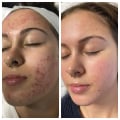
Therefore, it is vital for individuals considering this medication to discuss their medical history with a healthcare provider. The integration of these prescription medications into a broader acne treatment plan can enhance overall effectiveness. Many individuals find that combining medications with aesthetic procedures offered at med spas yields superior results. For instance, chemical peels and laser therapies can target acne scars and active breakouts simultaneously while prescription medications manage the underlying causes of acne. An example of successful management might involve a patient using topical retinoids alongside regular chemical peels to achieve clearer skin while addressing hyperpigmentation. Safety and efficacy are common concerns when it comes to using prescription medications for acne management.
It is essential to note that these medications undergo rigorous testing before they are approved for use. Numerous studies have demonstrated their effectiveness in treating acne while highlighting the importance of adhering to a prescribed regimen to minimize side effects. Patients are encouraged to maintain open communication with their healthcare providers regarding any adverse reactions they may experience, ensuring that adjustments can be made as needed. The importance of consultation with qualified professionals cannot be overstated when considering prescription medications for acne management. Each individual's skin is unique, and what works for one person may not be suitable for another.
A thorough evaluation by a dermatologist or trained professional will help tailor treatments to meet individual needs effectively. This personalized approach ensures that patients receive the most appropriate therapies while minimizing risks. In conclusion, addressing acne through prescription medications can significantly impact an individual’s quality of life. By understanding the various options available, their mechanisms of action, and how they can be integrated into comprehensive treatment plans with aesthetic procedures at med spas, individuals can take informed steps toward achieving clearer skin and improved self-esteem.
Consultation and Customization: The Key to Effective Treatment
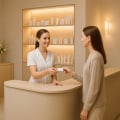
When it comes to managing acne, personalized treatment plans are essential for achieving optimal results. Every individual’s skin is unique, and what works for one person may not necessarily work for another.This is why consultation with healthcare providers at med spas plays a crucial role in developing a tailored approach to acne treatment. During an initial consultation, professionals assess various factors such as skin type, acne severity, and underlying causes. This thorough evaluation enables them to recommend the most effective prescription medications for acne management that align with the patient’s specific needs. Furthermore, they can identify whether the patient would benefit from combining these medications with other aesthetic treatments available at the med spa. The significance of customization cannot be overstated. For instance, some patients may respond better to topical treatments, while others may require oral medications or a combination of both.
By taking the time to understand each patient's unique situation, healthcare providers can create a comprehensive plan that not only targets acne but also promotes overall skin health. Additionally, ongoing consultations allow for adjustments in the treatment plan as the patient's skin responds to the prescribed medications. This flexibility ensures that the chosen approach remains effective over time, ultimately leading to improved skin quality and enhanced self-esteem. In summary, seeking professional guidance through consultation is vital for anyone looking to manage their acne effectively. Personalized treatment plans that consider individual needs can significantly increase the likelihood of successful outcomes.
Integrating Aesthetic Treatments: A Holistic Approach
When it comes to treating acne, a multifaceted approach often yields the best results.Prescription medications
are a cornerstone of acne management, but their effectiveness can be significantly enhanced when integrated with other aesthetic treatments available at med spas.By combining prescription medications with treatments such as chemical peels and laser therapy, individuals can tackle acne from multiple angles, addressing both the underlying causes and the visible effects.
Chemical peels
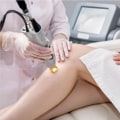
, for instance, involve the application of a chemical solution to the skin, which helps to exfoliate dead skin cells and unclog pores. When used in conjunction with prescription medications, chemical peels can accelerate the clearing of acne and improve skin texture. The medications help reduce inflammation and kill acne-causing bacteria, while the peels enhance skin renewal and prevent future breakouts. Similarly, laser therapy has emerged as an effective treatment for acne. By targeting the sebaceous glands, lasers can reduce oil production and minimize the occurrence of breakouts.When paired with prescription medications, laser treatments can further amplify results by ensuring that the skin is not only clearer but also healthier overall. The medications can manage flare-ups and support long-term maintenance, while laser therapy provides immediate improvements in skin appearance. It is essential for individuals to consult with professionals at med spas to create a personalized treatment plan that combines prescription medications with aesthetic procedures. This holistic approach not only addresses current acne issues but also promotes long-term skin health, ultimately boosting self-esteem and confidence.
Oral Medications: For Severe Cases
When it comes to managing severe cases of acne, oral medications often play a crucial role in providing relief and promoting clearer skin. Among the most commonly prescribed oral medications are isotretinoin and various types of antibiotics, each tailored to address specific acne conditions.Isotretinoin
, a potent retinoid derived from vitamin A, is typically prescribed for severe nodular acne that has not responded to other treatments.This medication works by significantly reducing oil production in the skin, preventing clogged pores, and decreasing inflammation. The standard dosage is usually around 0.5 to 1.0 mg/kg per day, taken for a duration of 15 to 20 weeks, but adjustments may be made based on individual response and side effects. Due to its powerful effects and potential side effects, including dryness and increased sensitivity to the sun, careful monitoring by a healthcare professional is essential. On the other hand, antibiotics such as tetracycline, doxycycline, and minocycline are frequently prescribed to combat the bacteria that contribute to acne development. These medications help reduce inflammation and prevent new breakouts by targeting bacterial overgrowth on the skin.
Dosages can vary based on the specific antibiotic used but typically range from 50 to 100 mg per day for several weeks. It is important for patients to adhere to their prescribed regimen and attend follow-up appointments for ongoing evaluation of their progress and any potential side effects. In summary, both isotretinoin and antibiotics serve as vital tools in the arsenal against severe acne. However, they require careful management and professional oversight to maximize effectiveness while minimizing risks. Consulting with a qualified healthcare provider ensures that individuals receive the most appropriate treatment tailored to their unique acne challenges.
Topical Treatments: The First Line of Defense
When it comes to managing acne, topical treatments are often the first line of defense recommended by healthcare professionals.These medications are applied directly to the skin and can significantly reduce inflammation, prevent new breakouts, and improve overall skin texture. One of the most common classes of topical medications for acne includes retinoids. Ingredients such as tretinoin, adapalene, and tazarotene work by promoting cell turnover, which helps to unclog pores and reduce the formation of acne lesions. These medications can also improve skin tone and texture over time. Another effective category is benzoyl peroxide, known for its antibacterial properties. This ingredient targets the bacteria that contribute to acne development, effectively reducing inflammation and preventing future breakouts.
It is often found in various concentrations in both over-the-counter and prescription formulations.
Salicylic acid
is another widely used ingredient in acne treatments. As a beta hydroxy acid (BHA), it penetrates deep into the pores to exfoliate and remove dead skin cells, helping to clear existing blemishes and prevent new ones from forming. Salicylic acid is particularly beneficial for those with oily skin types.Topical antibiotics
, such as clindamycin and erythromycin, can also play a role in acne management. These medications work by reducing inflammation and decreasing the number of bacteria on the skin's surface.They are often combined with other agents, such as benzoyl peroxide, for enhanced effectiveness. The benefits of using topical treatments extend beyond just clearing existing acne; they can also help maintain a clearer complexion when used consistently. However, it's essential to consult with a healthcare provider to determine the most suitable treatment plan tailored to individual skin types and conditions. In conclusion, while there are many options available, utilizing prescription topical medications as part of an overall acne management strategy can lead to significant improvements in skin health and self-esteem. In summary, incorporating prescription medications into a comprehensive acne treatment plan is essential for effectively managing this common skin condition. These medications not only address the underlying causes of acne but also enhance the results of other treatments available at med spas. It is crucial for individuals to seek professional advice to determine the most suitable options tailored to their unique skin types and conditions. By consulting with a qualified dermatologist or skincare professional, patients can receive customized recommendations that ensure safety and efficacy in their treatment journey. Moreover, considering both medical and aesthetic approaches in tandem can lead to optimal results, helping individuals regain their confidence and improve their overall skin health.
Embracing a multifaceted strategy can make a significant difference in the journey toward clearer skin.